CFPB Warns: Digital Scams Surge, Complaints Up 25% in 2024
The Consumer Financial Protection Bureau (CFPB) has issued critical warnings about a 25% surge in digital scam complaints in 2024, urging consumers to remain vigilant against evolving online threats.
By: Hugo on January 8, 2026
The Consumer Financial Protection Bureau (CFPB) has issued urgent warnings regarding a 25% increase in consumer complaints related to emerging digital scams in 2024, signaling a critical need for enhanced vigilance and protective measures amidst evolving online threats.
The digital landscape, while offering unparalleled convenience, also presents a fertile ground for malicious actors. The Consumer Financial Protection Bureau (CFPB) has recently amplified its warnings, highlighting a significant and alarming trend: a 25% increase in complaints related to emerging digital scams in 2024. This rise underscores a pressing need for consumers to understand and defend against these sophisticated threats, making CFPB digital scam warnings more crucial than ever.
Understanding the Escalating Digital Scam Landscape
The digital realm has become an indispensable part of our daily lives, influencing everything from how we bank and shop to how we communicate and invest. While this connectivity brings numerous benefits, it also creates new vulnerabilities. Scammers are constantly evolving their tactics, leveraging advanced technology and social engineering techniques to defraud unsuspecting individuals. The recent data from the CFPB serves as a stark reminder of this escalating threat, emphasizing that digital scams are not just isolated incidents but a growing systemic challenge.
The increase in complaints suggests that these scams are becoming more pervasive and effective, impacting a wider range of consumers. This trend is driven by several factors, including the increasing sophistication of scam techniques, the rapid adoption of new digital platforms, and often, a lack of awareness among consumers regarding the specific risks involved. Understanding the nature of these emerging threats is the first step toward effective protection.
The Evolution of Digital Fraud
Digital fraud is no longer limited to simple phishing emails. Today’s scammers employ a multi-faceted approach, often combining technological prowess with psychological manipulation. They exploit trust, urgency, and fear to trick individuals into divulging sensitive information or transferring funds. This evolution makes detection more challenging, as scams often mimic legitimate communications or services.
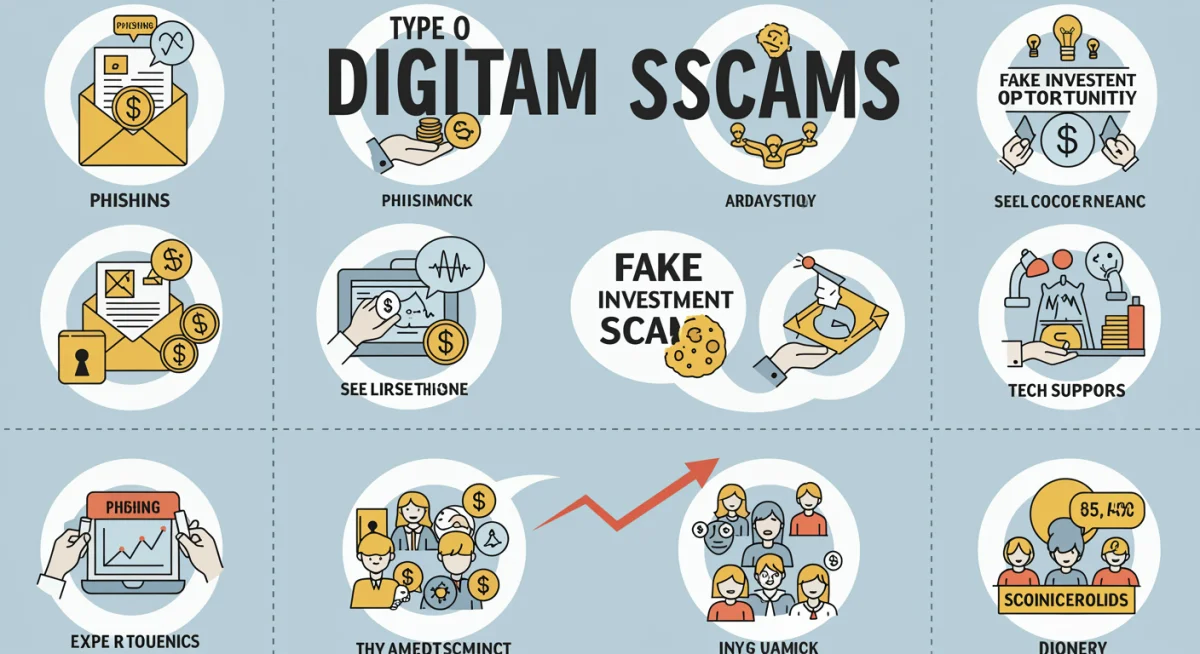
Sophisticated Phishing Campaigns: Beyond generic emails, these now include highly personalized messages, often mimicking banks, government agencies, or well-known companies.
Impersonation Scams: Scammers pretend to be trusted figures, such as customer service representatives, tech support, or even family members, often using spoofed numbers or email addresses.
Investment Scams: Offering too-good-to-be-true returns, these scams often involve fake cryptocurrency platforms, bogus online trading schemes, or fraudulent asset management services.
Romance Scams: Exploiting emotional vulnerabilities, scammers build fake relationships online to extract money from their victims.
The sheer variety and adaptability of these scams mean that consumers must be continuously educated and vigilant. The CFPB’s warnings are a crucial component of this ongoing educational effort, aiming to equip individuals with the knowledge needed to identify and avoid these traps.
In conclusion, the escalating digital scam landscape demands a proactive and informed approach. The 25% increase in complaints highlights the urgency of the situation, urging both consumers and regulatory bodies to collaborate in combating these pervasive threats. Staying informed about the latest scam tactics and understanding how they operate is paramount to safeguarding personal finances and digital security.
CFPB’s Alarming Findings: A 25% Surge in Complaints
The Consumer Financial Protection Bureau’s recent report detailing a 25% increase in complaints concerning emerging digital scams is a significant cause for concern. This surge is not merely a statistical anomaly; it represents a growing wave of financial distress and emotional hardship for countless Americans. The CFPB, tasked with protecting consumers in the financial marketplace, takes these trends seriously, issuing warnings to arm the public against these evolving threats.
The data collected by the CFPB provides critical insights into the types of scams prevalent and the demographics most affected. While scammers do not discriminate, certain groups, such as the elderly or those less familiar with digital platforms, are often disproportionately targeted. This increase in complaints underscores the collective vulnerability consumers face in an increasingly digital world, where personal and financial information are constantly exchanged online.
Key Areas of Complaint Growth
The CFPB’s analysis points to several specific areas where digital scam complaints have seen the most significant growth. These often involve complex schemes that are difficult for the average consumer to detect without prior knowledge or external warnings. The rapid pace at which these scams adapt makes it challenging for even seasoned individuals to keep up, necessitating continuous updates from regulatory bodies.
Payment App Fraud: An explosion in scams involving peer-to-peer payment apps, where fraudsters trick users into sending money for fake services or goods.
Cryptocurrency Scams: A dramatic rise in complaints related to fraudulent cryptocurrency investments and exchanges, often promising guaranteed high returns.
Online Lending Scams: Deceptive practices by online lenders, including hidden fees, predatory rates, and unauthorized withdrawals.
Tech Support Scams: Impersonating well-known tech companies to gain remote access to devices and demand payment for unnecessary or fabricated repairs.
The 25% increase is a clear indicator that existing preventative measures, while helpful, are not sufficient to stem the tide of these sophisticated attacks. This calls for a multi-pronged approach involving enhanced public awareness campaigns, more robust security features from financial institutions, and stronger regulatory enforcement against perpetrators.
Ultimately, the CFPB’s findings serve as a wake-up call. The growing number of complaints highlights the urgent need for individuals to be more cautious and informed about their online interactions. It also places a greater responsibility on financial institutions and technology companies to implement more effective safeguards and to educate their users about potential risks.
Identifying Emerging Digital Scam Tactics
The landscape of digital scams is a constantly shifting battleground, with fraudsters continuously devising new and more sophisticated methods to trick consumers. Identifying these emerging tactics is paramount for consumer protection. The CFPB’s warnings are not just about the numbers; they delve into the specific mechanisms and psychological triggers that scammers exploit, providing a clearer picture of what consumers should watch out for.
Many of these new scams leverage cutting-edge technology, such as AI-generated voices or deepfakes, to make their impersonations more convincing. Others exploit vulnerabilities in new payment systems or capitalize on current events and public anxieties. Staying ahead of these trends requires not only technological awareness but also a critical eye for anything that seems too good to be true or creates undue pressure.
Common Characteristics of New Scams
While the specific details of scams vary, many share common characteristics that, once recognized, can serve as red flags. Scammers often rely on creating a sense of urgency, fear, or an offer that seems too advantageous to pass up. They frequently pressure victims into making quick decisions, preventing them from consulting trusted advisors or conducting due diligence.
Urgency and Pressure: Demands for immediate action, often threatening negative consequences if the victim doesn’t comply quickly.
Unsolicited Communications: Unexpected calls, emails, or messages from unknown sources, especially those asking for personal or financial information.
Requests for Unusual Payment Methods: Demands for payment via gift cards, cryptocurrency, wire transfers, or payment apps, which are difficult to trace.
Guaranteed Returns/High Profits: Investment opportunities promising unrealistic returns with little to no risk.
Impersonation of Authority: Scammers pretending to be from government agencies (e.g., IRS, Social Security Administration), law enforcement, or well-known companies.
Furthermore, many emerging scams are designed to bypass traditional security measures. They might involve convincing fake websites that mirror legitimate ones, or they might use social engineering to convince victims to willingly provide access to their accounts or devices. The common thread is manipulation, making it essential for consumers to be skeptical and verify any suspicious requests.
In essence, identifying emerging digital scam tactics involves a combination of critical thinking and staying informed. Consumers should always question unsolicited requests, verify identities independently, and be wary of any offers that seem too good to be true. The CFPB’s insights are invaluable in helping the public recognize these evolving threats before they become victims.
Protecting Yourself: Practical Steps and Resources
Given the alarming rise in digital scams, proactive protection is no longer optional; it’s essential. The CFPB’s warnings are not just about highlighting the problem but also about empowering consumers with practical steps and resources to safeguard their financial well-being. Implementing robust security habits and knowing where to turn for help are critical components of an effective defense strategy.
Many protective measures are simple yet highly effective. They involve a combination of technological safeguards and behavioral changes. Building a habit of skepticism and verifying information independently can prevent many scams from succeeding. The key is to make these practices a routine part of your online interactions, rather than reacting only after a potential threat emerges.
Essential Protection Strategies
To effectively protect yourself from emerging digital scams, a multi-layered approach is recommended. This includes technical precautions, such as strong passwords and multi-factor authentication, alongside critical thinking skills and awareness of common scammer tactics. The more barriers you put in place, the harder it becomes for fraudsters to succeed.
Strong, Unique Passwords: Use complex passwords for all accounts and avoid reusing them. Consider a password manager.
Multi-Factor Authentication (MFA): Enable MFA whenever possible, adding an extra layer of security beyond just a password.
Be Skeptical of Unsolicited Communications: Never click on suspicious links or download attachments from unknown senders. Verify the sender’s identity through official channels.
Monitor Financial Accounts Regularly: Check bank statements, credit card activity, and credit reports for any unauthorized transactions or suspicious activity.
Educate Yourself: Stay informed about the latest scam trends and warnings from reputable sources like the CFPB.
Secure Your Devices: Keep your operating system, web browser, and security software up to date.
Beyond these individual actions, consumers should also be aware of the resources available to them. The CFPB and other government agencies provide a wealth of information, tools, and reporting mechanisms that can help individuals navigate the complex world of digital threats. Leveraging these resources is a crucial part of a comprehensive protection strategy.
In conclusion, protecting yourself from digital scams requires constant vigilance and the adoption of smart online habits. By taking practical steps such as using strong passwords, enabling MFA, and being wary of unsolicited communications, consumers can significantly reduce their risk. Furthermore, utilizing the resources provided by the CFPB and other organizations is vital for staying informed and prepared against evolving threats.
The Role of the CFPB in Consumer Protection
The Consumer Financial Protection Bureau (CFPB) plays a pivotal role in safeguarding Americans from financial fraud and deceptive practices. Its mission extends beyond merely collecting complaints; the CFPB actively analyzes trends, issues warnings, and enforces regulations to create a fairer and more transparent financial marketplace. The recent report on the 25% increase in digital scam complaints highlights the agency’s continuous effort to adapt its strategies to new challenges.
The CFPB’s authority covers a wide range of financial products and services, including mortgages, credit cards, student loans, and payment systems. This broad scope allows the agency to identify systemic issues and implement comprehensive solutions. By issuing specific warnings about emerging digital scams, the CFPB empowers consumers with the knowledge needed to make informed decisions and avoid falling victim to fraudsters.
CFPB’s Initiatives and Impact
The CFPB employs a multi-faceted approach to consumer protection, combining enforcement actions with public education and policy development. These initiatives are designed to address both the immediate threats posed by scams and the underlying vulnerabilities that allow them to flourish. The agency’s work is crucial for maintaining public trust in the financial system.
Public Awareness Campaigns: Regularly publishing alerts, advisories, and educational materials to inform consumers about current and emerging threats.
Complaint Database: Operating a public database where consumers can submit complaints, which helps the CFPB identify patterns and take action.
Enforcement Actions: Taking legal action against companies and individuals engaged in deceptive, unfair, or abusive financial practices.
Policy Development: Working to establish regulations that protect consumers and promote fair competition in financial markets.
The impact of the CFPB’s work is far-reaching. By providing clear guidance and taking decisive action, the agency helps to prevent financial losses, restore funds to victims, and deter future fraudulent activities. The increase in complaints, while concerning, also demonstrates the CFPB’s effectiveness in providing a platform for consumers to voice their concerns and seek recourse.
In summary, the CFPB is an indispensable guardian of consumer financial health. Its proactive warnings, particularly regarding the surge in digital scams, are vital for equipping the public with the necessary tools to navigate an increasingly complex financial landscape safely. The agency’s ongoing commitment to consumer protection remains a cornerstone of a secure financial ecosystem.
Reporting Scams: Why and How to Act
When confronted with a digital scam, knowing how and why to report it is just as important as knowing how to prevent it. Reporting scams not only helps potential victims by bringing fraudsters to justice but also contributes to a broader understanding of emerging threats. The CFPB, alongside other federal agencies, relies on consumer reports to track trends, issue updated warnings, and develop more effective protective measures.
Many consumers hesitate to report scams due to embarrassment, a belief that nothing can be done, or simply not knowing where to turn. However, every report, no matter how small, adds to the collective intelligence that helps regulators and law enforcement agencies combat financial crime. Your report could be the missing piece of information that leads to the apprehension of a scammer or the prevention of future scams.
The Importance of Reporting
Reporting digital scams serves multiple critical functions. It enables authorities to investigate and prosecute criminals, helps financial institutions implement better security protocols, and informs public education campaigns. Without consumer reports, the full scope of the problem remains hidden, making it harder to develop effective solutions.
Aids Law Enforcement: Provides crucial evidence for investigations and helps identify patterns of criminal activity.
Informs Public Warnings: Contributes to the data used by agencies like the CFPB to issue timely and relevant warnings to the public.
Facilitates Recovery: Increases the chances of recovering lost funds, although this is not always guaranteed.
Prevents Future Victims: By stopping scammers, you help protect others from falling prey to similar schemes.
When reporting a scam, it’s important to provide as much detail as possible. This includes dates, times, names, contact information used by the scammer, a description of the scam, and any financial losses incurred. Gathering all relevant documentation, such as emails, text messages, or transaction records, can significantly aid the investigation.
Several avenues exist for reporting digital scams. The CFPB itself has a consumer complaint portal, but other federal agencies also play a vital role. Understanding which agency is best suited for your specific type of scam can streamline the reporting process and ensure your complaint reaches the appropriate authorities.
In conclusion, reporting digital scams is a civic responsibility that benefits everyone. It provides vital information to law enforcement and regulatory bodies, helping them to protect consumers and combat financial crime more effectively. Don’t hesitate to act if you suspect you’ve been targeted; your report can make a significant difference.
Future Outlook: Combating Digital Scams in 2025 and Beyond
As we look towards 2025 and beyond, the fight against digital scams is expected to intensify. The trends observed by the CFPB, particularly the 25% increase in complaints, suggest that scammers will continue to innovate, leveraging new technologies and sophisticated social engineering tactics. Combating these evolving threats requires a dynamic and collaborative approach involving consumers, financial institutions, technology companies, and regulatory bodies.
The future of consumer protection in the digital age will likely involve a greater emphasis on proactive measures, including enhanced AI-driven fraud detection systems, real-time threat intelligence sharing, and continuous public education. It will also necessitate a deeper understanding of human behavioral psychology to build more resilient defenses against manipulation.
Strategies for a Safer Digital Future
Building a safer digital future hinges on several key strategies. These strategies aim to create a more secure online environment while also empowering individuals with the knowledge and tools to protect themselves. The goal is to make it increasingly difficult and unprofitable for scammers to operate.
Advanced AI and Machine Learning: Utilizing AI to detect fraudulent patterns and anomalies in real-time, preventing scams before they cause harm.
Cross-Industry Collaboration: Financial institutions, tech companies, and regulators sharing threat intelligence and best practices to identify and neutralize scams faster.
Continuous Consumer Education: Ongoing campaigns to inform the public about new scam tactics, focusing on critical thinking and digital literacy.
Stronger Regulatory Frameworks: Adapting laws and regulations to keep pace with technological advancements and the evolving nature of digital fraud.
Identity Theft Protection Enhancements: Improving systems for protecting personal data and making it harder for fraudsters to impersonate individuals.
Furthermore, the development of user-friendly tools that help consumers verify identities, secure transactions, and report suspicious activities will be crucial. The focus will shift from purely reactive measures to a more preventative stance, where potential threats are identified and mitigated before they can impact consumers.
The future outlook for combating digital scams is challenging but not insurmountable. By fostering a culture of vigilance, continuously innovating security measures, and strengthening collaborative efforts, we can work towards a digital environment where consumers are better protected. The CFPB’s ongoing warnings and initiatives are a vital part of this collective endeavor, paving the way for a more secure financial future for all.
Key Point
Brief Description
CFPB Warning
The CFPB reports a 25% increase in digital scam complaints in 2024, emphasizing evolving threats.
Emerging Scams
Scammers use sophisticated tactics like AI, impersonation, and payment app fraud to deceive consumers.
Consumer Protection
Practical steps include strong passwords, MFA, skepticism, and regular account monitoring.
Reporting Scams
Reporting helps law enforcement, informs public warnings, and prevents future victims from financial harm.
Frequently Asked Questions About Digital Scams and CFPB Warnings
What is the primary concern raised by the CFPB regarding digital scams?▼
The CFPB’s primary concern is the significant 25% increase in consumer complaints about emerging digital scams in 2024. This surge indicates that fraudsters are becoming more sophisticated and effective, posing a growing threat to consumer financial security across various digital platforms and services.
What types of digital scams are seeing the most significant growth?▼
Complaint data indicates significant growth in payment app fraud, where consumers are tricked into sending money via peer-to-peer services. Additionally, cryptocurrency scams, online lending scams with hidden fees, and tech support scams impersonating major companies are also on the rise, exploiting evolving digital behaviors.
What immediate steps can I take to protect myself from digital scams?▼
Immediate protection steps include using strong, unique passwords and enabling multi-factor authentication on all accounts. Be highly skeptical of unsolicited communications, especially those demanding immediate action or unusual payment methods. Regularly monitor your financial accounts for any suspicious activity.
Why is it important to report digital scams, even if no money was lost?▼
Reporting scams, regardless of financial loss, is crucial because it helps authorities track evolving fraud patterns and identify perpetrators. Your report contributes to a collective database that informs CFPB warnings, aids law enforcement investigations, and ultimately protects other potential victims from falling prey to similar schemes.
How does the CFPB help consumers combat digital scams?▼
The CFPB combats digital scams through public awareness campaigns, issuing timely warnings, and maintaining a consumer complaint database. They also take enforcement actions against fraudulent entities and work on policy development to create a safer financial marketplace. Their efforts empower consumers with knowledge and provide avenues for recourse.
Conclusion
The escalating threat of digital scams, underscored by the CFPB’s alarming report of a 25% increase in complaints in 2024, serves as a critical call to action for every consumer. The digital landscape continues to evolve, and with it, the sophistication of fraudulent schemes. Protecting oneself requires not only vigilance and the adoption of robust security practices but also a commitment to staying informed about the latest scam tactics. The Consumer Financial Protection Bureau stands as a vital defense, providing essential warnings, resources, and a platform for reporting. By understanding the risks, implementing preventative measures, and actively reporting suspicious activities, consumers can collectively build a more resilient defense against these pervasive threats, ensuring a safer and more secure financial future in our increasingly connected world.