EV Sales Projected to Hit 10% US Market by End of 2025
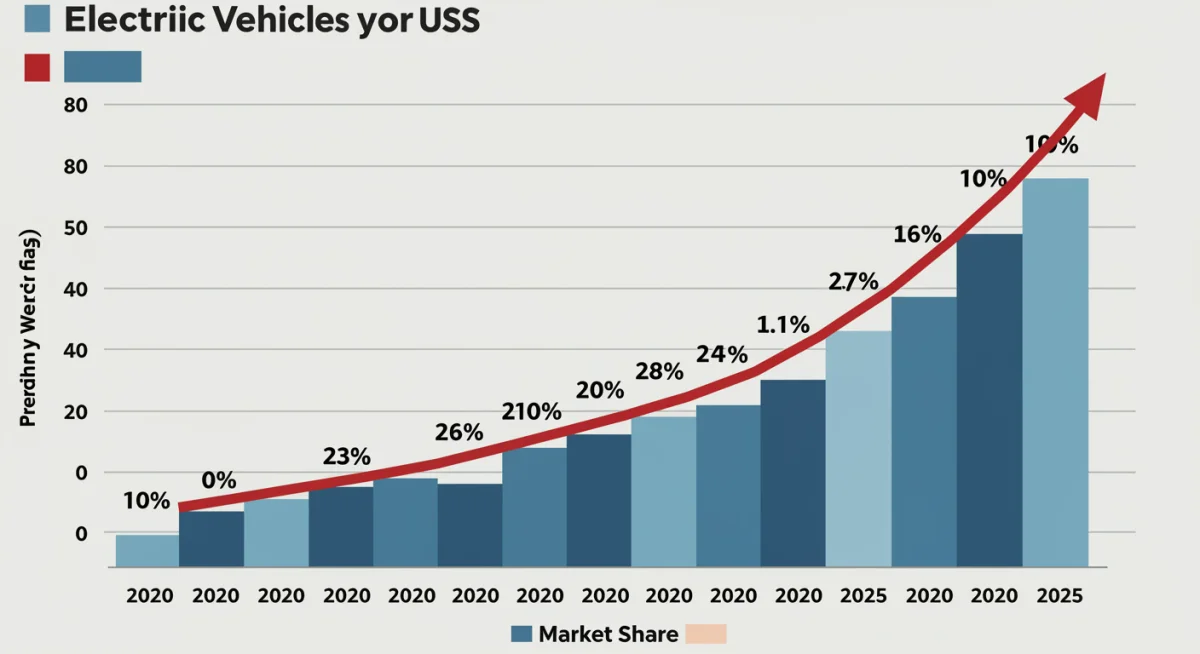
Electric vehicle sales in the US are projected to reach 10% of the total automotive market by the end of 2025, signaling a significant shift in consumer preferences and industry focus towards sustainable transportation.
By: Hugo on January 8, 2026
Electric vehicle sales in the US are projected to reach 10% of the total automotive market by the end of 2025, signaling a significant shift in consumer preferences and industry focus towards sustainable transportation.
The Automotive Industry: Electric Vehicle Sales Projected to Reach 10% of Total US Market by End of 2025 marks a pivotal moment in the evolution of transportation. This forecast isn’t just a number; it represents a profound shift in consumer behavior, manufacturing priorities, and governmental initiatives. As we delve into the factors driving this growth, it becomes clear that the electric future is not just coming, it’s already here and accelerating.
The accelerating adoption of electric vehicles
The journey towards widespread electric vehicle (EV) adoption has been steadily gaining momentum, transforming the automotive landscape at an unprecedented pace. What was once considered a niche market is now on the cusp of becoming a mainstream segment, driven by a confluence of technological advancements, environmental consciousness, and economic incentives.
Several key factors contribute to this acceleration. Battery technology has seen significant improvements, offering longer ranges and faster charging times, which directly addresses previous consumer anxieties. Moreover, the expanding charging infrastructure, both public and private, is making EV ownership more practical and convenient for a broader demographic. Governments worldwide, including in the United States, are also playing a crucial role through various policies and incentives designed to encourage EV purchases and stimulate manufacturing.
Technological breakthroughs driving EV appeal
Recent innovations in battery chemistry and management systems have dramatically enhanced the performance and efficiency of electric vehicles. These advancements are not only extending the range of EVs but also reducing their overall weight and manufacturing costs, making them more competitive with traditional gasoline-powered cars.
Improved energy density leading to longer driving ranges.
Faster charging capabilities, significantly cutting down waiting times.
Enhanced battery longevity and reliability, reducing replacement concerns.
Development of solid-state batteries promising even greater leaps in performance.
Furthermore, the integration of advanced software and artificial intelligence into EVs is creating smarter, safer, and more enjoyable driving experiences. Features like advanced driver-assistance systems (ADAS) and over-the-air updates are differentiating EVs from their internal combustion engine (ICE) counterparts, appealing to tech-savvy consumers.
The collective impact of these technological strides is making EVs an increasingly attractive option for consumers. As more models enter the market across various price points and segments, the choice and accessibility for potential buyers continue to expand, further fueling the adoption curve. This dynamic environment suggests a sustained growth trajectory for the EV sector.
Government policies and incentives shaping the market
Government policies and incentives are proving to be powerful catalysts in accelerating the transition to electric vehicles within the United States. These measures are designed to reduce the initial cost barrier for consumers, encourage manufacturers to invest more heavily in EV production, and build the necessary infrastructure to support a growing EV fleet. Understanding these policies is crucial to grasping the projected market growth.
Federal tax credits, state-level rebates, and other financial incentives effectively lower the purchase price of new and sometimes used EVs, making them more accessible to a wider range of buyers. Beyond direct financial aid, regulations focused on emissions standards and fuel economy are compelling automakers to prioritize EV development and sales, thereby diversifying their offerings and increasing availability.
Key federal and state initiatives
At the federal level, the Inflation Reduction Act (IRA) has significantly revamped EV tax credits, offering up to $7,500 for qualifying new electric vehicles and up to $4,000 for used EVs. These credits come with specific requirements regarding battery component sourcing and vehicle assembly, aiming to bolster domestic manufacturing and supply chains.
Federal tax credits for new and used EV purchases.
State rebates and incentives, often stackable with federal programs.
Grants for charging infrastructure development in communities.
Emissions standards pushing automakers towards electrification targets.
Many states also offer their own incentives, ranging from additional rebates and sales tax exemptions to preferred parking and reduced tolls for EV owners. These localized benefits can significantly enhance the overall value proposition of owning an electric vehicle, encouraging residents to make the switch. For example, California’s clean vehicle rebate program has been instrumental in its leading EV adoption rates.
The combination of these policy levers creates a robust framework that supports both the demand for and supply of electric vehicles. As these policies continue to evolve and expand, their influence on the US automotive market will only strengthen, playing a critical role in reaching and potentially surpassing the 10% market share projection by the end of 2025.
The evolving charging infrastructure landscape
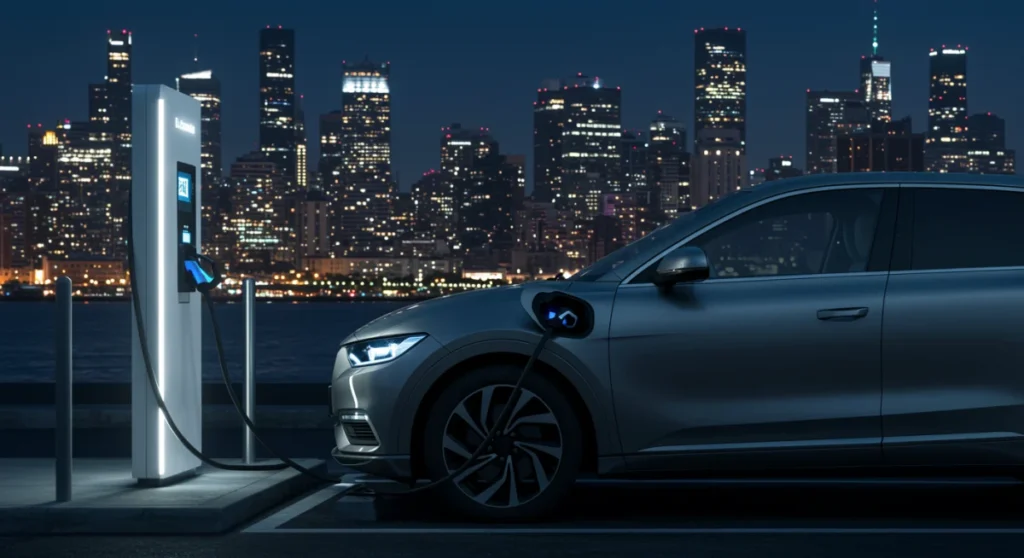
The expansion and enhancement of the electric vehicle charging infrastructure are fundamental to achieving widespread EV adoption and meeting ambitious sales targets. A robust and accessible charging network alleviates range anxiety, making EV ownership a practical reality for more Americans. The current landscape is characterized by rapid growth, technological innovation, and significant investment from both public and private sectors.
Public charging stations are becoming more prevalent in urban centers, along major highways, and in commercial areas. These include Level 2 chargers, which are suitable for overnight charging or topping up during shopping, and DC fast chargers (DCFC), capable of replenishing a significant portion of a battery in a short amount of time, ideal for long-distance travel. The development of a seamless and reliable charging experience is paramount for consumer confidence.
Innovations in charging technology
Advancements in charging technology are making the process faster, more efficient, and user-friendly. High-power DCFC units now offer charging speeds that rival fueling a gasoline car, significantly reducing travel times. Wireless charging is also emerging as a promising technology, offering convenience and reducing the need for physical connectors.
Deployment of ultra-fast DC charging stations across key corridors.
Growth of smart charging solutions optimizing energy consumption.
Pilot programs for inductive (wireless) charging in public and private settings.
Integration of charging networks with navigation systems for seamless travel planning.
Furthermore, the development of Vehicle-to-Grid (V2G) technology is gaining traction, allowing EVs to not only draw power from the grid but also feed electricity back into it during peak demand or emergencies. This capability positions EVs as more than just transportation, but as active components of a resilient energy system. Such innovations are not only improving the charging experience but also enhancing the overall value proposition of EVs.
The ongoing investment in and refinement of the charging infrastructure are critical enablers for the projected surge in EV sales. As the network becomes denser and more sophisticated, the convenience of EV ownership will continue to improve, attracting an even larger segment of the US automotive market.
Consumer preferences and market dynamics
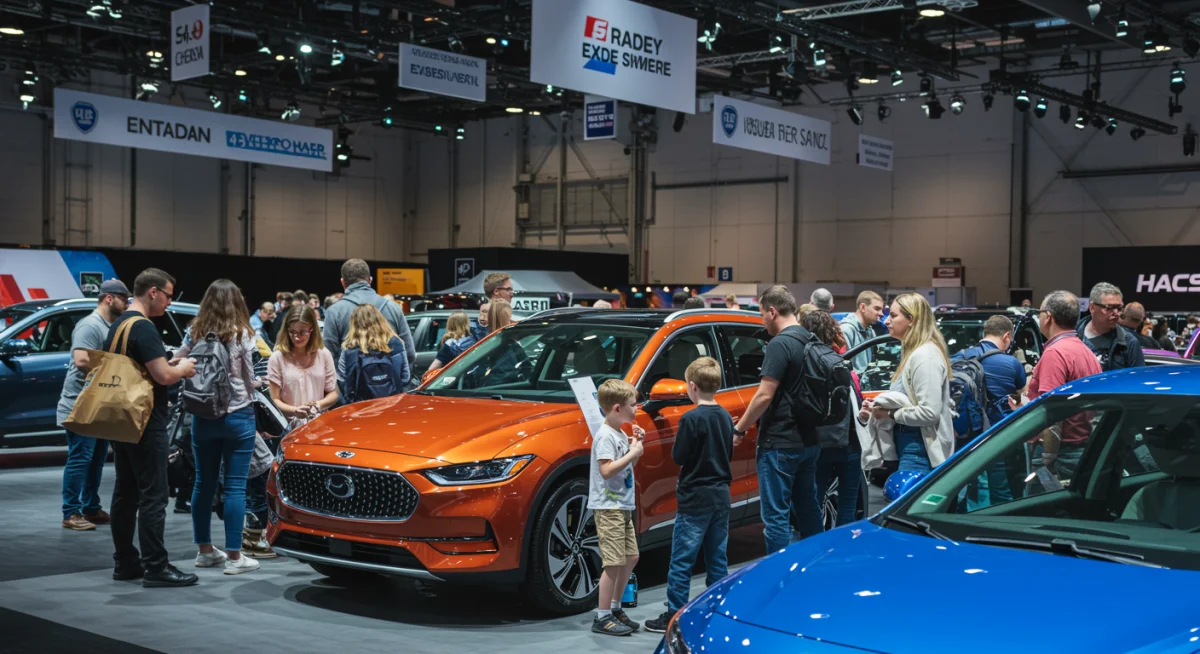
Consumer preferences are rapidly shifting towards electric vehicles, driven by a growing awareness of environmental concerns, the appeal of advanced technology, and increasingly competitive pricing. This evolving demand is a major force behind the projected growth of EV sales in the US market. Understanding these dynamics is key to anticipating future trends.
Beyond environmental benefits, many consumers are drawn to the performance advantages of EVs, such as instant torque and a quiet, smooth ride. The perception of EVs as technologically advanced and modern vehicles also plays a significant role in their appeal. As more diverse EV models become available, catering to different needs and budgets, the market is expanding beyond early adopters to a broader mainstream audience.
The role of variety and affordability
The proliferation of EV models, from compact sedans to full-size trucks and SUVs, is addressing a wider range of consumer needs and preferences. This increased variety, coupled with competitive pricing, is making EVs a more viable option for many households. Automakers are responding to demand by investing heavily in new EV platforms and production facilities.
Expansion of EV offerings across all vehicle segments.
Introduction of more affordable EV models, reducing the entry barrier.
Increased consumer awareness of long-term savings on fuel and maintenance.
Growing desire for sustainable and technologically advanced transportation.
Moreover, the total cost of ownership (TCO) for EVs is becoming increasingly attractive. Lower fuel costs (electricity being cheaper than gasoline in most regions) and reduced maintenance requirements due to fewer moving parts contribute to significant long-term savings. This economic advantage, combined with purchase incentives, is swaying more consumers towards electrification.
The interplay of these factors—environmental consciousness, technological appeal, model variety, and improved affordability—is creating a powerful momentum in consumer choice. This sustained shift in preferences is foundational to the ambitious projection of EV sales reaching 10% of the US market by the end of 2025.
Challenges and opportunities in the EV market
While the trajectory for electric vehicle sales is overwhelmingly positive, the path to 10% market share by 2025 is not without its challenges. Addressing these hurdles effectively will be crucial for sustained growth and ensuring the long-term viability of the EV transition. Simultaneously, these challenges present significant opportunities for innovation and strategic development within the automotive industry.
One primary challenge remains the upfront cost of EVs, despite incentives. While TCO is often lower, the initial purchase price can still be a barrier for some consumers. Another concern is the availability and reliability of charging infrastructure, particularly in rural areas or for apartment dwellers without easy access to home charging. Supply chain constraints for critical battery materials also pose a potential obstacle to mass production.
Navigating supply chain complexities and infrastructure gaps
The global supply chain for EV battery components, particularly minerals like lithium, cobalt, and nickel, is under pressure. Ensuring a stable and ethical supply of these materials is vital for meeting production targets. Geopolitical factors and fluctuating commodity prices can impact manufacturing costs and vehicle availability.
Securing reliable and ethical sources for battery raw materials.
Expanding domestic battery manufacturing capacity to reduce reliance on foreign suppliers.
Addressing grid capacity and resilience to support increased electricity demand from EVs.
Developing innovative charging solutions for diverse living situations (e.g., urban apartments).
However, these challenges also open doors for innovation. Investment in new mining techniques, battery recycling technologies, and alternative battery chemistries can mitigate supply chain risks. Furthermore, enhancing grid infrastructure and developing smart charging solutions represent significant opportunities for energy companies and tech innovators.
The automotive industry, alongside governments and energy providers, is actively working to overcome these obstacles. Strategic partnerships, increased investment in R&D, and supportive policies are all contributing to a more robust and resilient EV ecosystem. Successfully navigating these challenges will not only ensure the 10% market share goal is met but will also lay the groundwork for an even more electrified future.
The broader impact on the automotive industry and economy
The projected surge in electric vehicle sales to 10% of the total US market by the end of 2025 signifies more than just a change in vehicle type; it represents a profound transformation with far-reaching impacts on the entire automotive industry and the broader economy. This shift creates both new opportunities and necessitates significant adjustments across various sectors.
Automakers are retooling factories, investing billions in EV research and development, and retraining their workforces. The transition affects not only vehicle manufacturing but also the vast network of suppliers, dealerships, and service centers. New industries are emerging around battery production, charging infrastructure, and EV-specific software, creating jobs and fostering economic growth.
Economic ripple effects and job creation
The electrification of the automotive industry is poised to generate significant economic ripple effects. While some traditional jobs related to ICE vehicle production may evolve or decline, new opportunities are arising in design, engineering, battery manufacturing, software development, and charging station installation and maintenance. This creates a net positive impact on job creation in many instances.
Growth in manufacturing jobs for EV components and assembly.
Expansion of the energy sector due to increased electricity demand.
New businesses focused on battery recycling and second-life applications.
Increased investment in smart grid technologies and renewable energy sources.
Furthermore, the shift to EVs has implications for national energy security, potentially reducing reliance on fossil fuel imports. It also contributes to public health by lowering air pollution, especially in urban areas. The economic benefits extend to consumers through reduced operating costs and to municipalities through potential tax revenues from new industries.
The automotive industry is in the midst of its most significant transformation in a century. The rapid growth of EV sales is not just a trend but a fundamental reshaping of how vehicles are designed, produced, sold, and maintained. This evolution, driven by innovation and consumer demand, promises a more sustainable and technologically advanced future for transportation and the economy as a whole.
Key Point
Brief Description
10% Market Share
EV sales are projected to capture 10% of the total US automotive market by the end of 2025.
Driving Factors
Technological advancements, government incentives, and shifting consumer preferences are key drivers.
Infrastructure Growth
Expansion of charging networks and innovations in charging technology are crucial for adoption.
Economic Impact
The EV transition creates new jobs, reshapes industries, and contributes to energy independence.
Frequently asked questions about EV sales in the US
What factors are driving the projected growth of EV sales in the US?▼
Several factors are propelling EV sales, including significant advancements in battery technology, attractive government incentives like tax credits, an expanding charging infrastructure, and a growing consumer preference for sustainable and technologically advanced vehicles. These elements combine to make EVs more accessible and desirable.
How will the charging infrastructure support a 10% EV market share?▼
The charging infrastructure is rapidly expanding with both public and private investments. Innovations in DC fast charging and smart charging solutions are making it more convenient. Government grants and private sector deployment are ensuring a denser network to alleviate range anxiety and support increased EV adoption.
What economic impacts are expected from this shift to electric vehicles?▼
The shift to EVs is expected to create new jobs in manufacturing, battery production, and charging infrastructure. It will also foster innovation in related technologies, reduce reliance on fossil fuels, and potentially lower consumer operating costs. This transition will reshape many aspects of the automotive and energy sectors.
Are there challenges to reaching the 10% EV sales target by 2025?▼
Yes, challenges include the initial higher purchase price of some EVs, potential supply chain constraints for critical battery materials, and ensuring robust charging availability in all regions. However, ongoing innovation and strategic investments are actively addressing these hurdles to maintain growth.
How are consumer preferences changing regarding electric vehicles?▼
Consumers are increasingly prioritizing environmental benefits, lower running costs, and the advanced technology offered by EVs. The growing variety of models across different price points and segments also caters to diverse needs, accelerating the mainstream acceptance of electric transportation.
Conclusion
The projection of electric vehicle sales reaching 10% of the total US market by the end of 2025 is a testament to a transformative era in the automotive industry. This significant milestone is being driven by a powerful combination of technological innovation, supportive government policies, a rapidly expanding charging infrastructure, and a palpable shift in consumer preferences. While challenges remain, the collective efforts of manufacturers, policymakers, and consumers are paving the way for a more sustainable and electrified future. The momentum is undeniable, indicating that electric vehicles are not just a trend but a fundamental component of the evolving transportation landscape.