Education Tech: $2 Billion for Digital Learning Initiatives

The Department of Education has committed an unprecedented $2 billion towards new digital learning initiatives, commencing in Fall 2025, designed to significantly enhance technology integration and equitable access within K-12 education nationwide.
The landscape of education in the United States is poised for a significant transformation with the recent announcement that the Department of Education will allocate a staggering $2 billion towards digital learning initiatives, set to begin in Fall 2025. This monumental investment signals a profound commitment to integrating advanced technology into K-12 classrooms, aiming to bridge educational gaps and prepare students for a future increasingly shaped by digital competencies. What will this mean for students, educators, and the future of American schooling?
Understanding the $2 Billion Digital Learning Investment
The Department of Education’s decision to inject $2 billion into digital learning initiatives is a direct response to the evolving needs of modern education. This substantial funding aims to address long-standing disparities in access to technology and high-quality digital resources across various school districts.
The allocation is not merely about providing devices; it encompasses a broader vision to create sustainable, impactful digital learning environments. This includes infrastructure upgrades, professional development for educators, and the procurement of innovative educational software. The goal is to ensure every student, regardless of their socioeconomic background or geographic location, has the tools and skills necessary to thrive in a digital-first world.
Key Objectives of the Funding
- Enhancing Equitable Access: A core tenet of this initiative is to ensure all students have access to reliable internet connectivity and appropriate digital devices, closing the digital divide that still plagues many communities.
- Fostering Educator Preparedness: Significant portions of the funding are earmarked for comprehensive training programs, equipping teachers with the skills to effectively integrate digital tools into their pedagogy and maximize their educational impact.
- Developing Innovative Content: The investment will support the creation and adoption of high-quality, engaging digital curricula that can adapt to individual student needs and promote personalized learning experiences.
This strategic investment represents a pivotal moment for K-12 education, moving beyond reactive technology adoption to a proactive, forward-thinking approach. It underscores the understanding that digital literacy is no longer an optional skill but a fundamental requirement for all students.
Impact on K-12 Education: A New Era of Learning
The influx of $2 billion for digital learning initiatives is set to usher in a new era for K-12 education, fundamentally altering how students learn and how teachers teach. This investment is expected to catalyze a systemic shift, moving away from traditional, one-size-fits-all instruction towards more dynamic, personalized, and engaging educational models.
One of the most immediate impacts will be seen in the accessibility of educational resources. Schools in underserved areas, which often lack adequate technological infrastructure, will receive much-needed upgrades, ensuring that all students have an equal opportunity to benefit from digital tools. This includes not just devices, but also high-speed internet, which is crucial for accessing online content and participating in virtual learning environments.
Transforming Pedagogical Practices
The funding will empower educators to explore and implement new pedagogical strategies that leverage technology. This could include:
- Personalized Learning Paths: Utilizing adaptive software that tailors learning content to each student’s pace and style.
- Interactive and Experiential Learning: Incorporating virtual reality (VR) and augmented reality (AR) to create immersive learning experiences.
- Data-Driven Instruction: Using analytics from digital platforms to inform teaching strategies and identify areas where students need additional support.
Ultimately, this initiative aims to cultivate a generation of learners who are not only proficient in digital tools but also critical thinkers, problem-solvers, and collaborators, well-prepared for the challenges and opportunities of the 21st century. The long-term benefits are expected to extend beyond academic achievement, fostering greater engagement and lifelong learning habits.
Key Components of the Digital Learning Initiatives
The $2 billion allocation is strategically designed to target several critical areas within the educational technology ecosystem. These components are interdependent, working in concert to create a robust and effective digital learning environment that benefits all stakeholders.
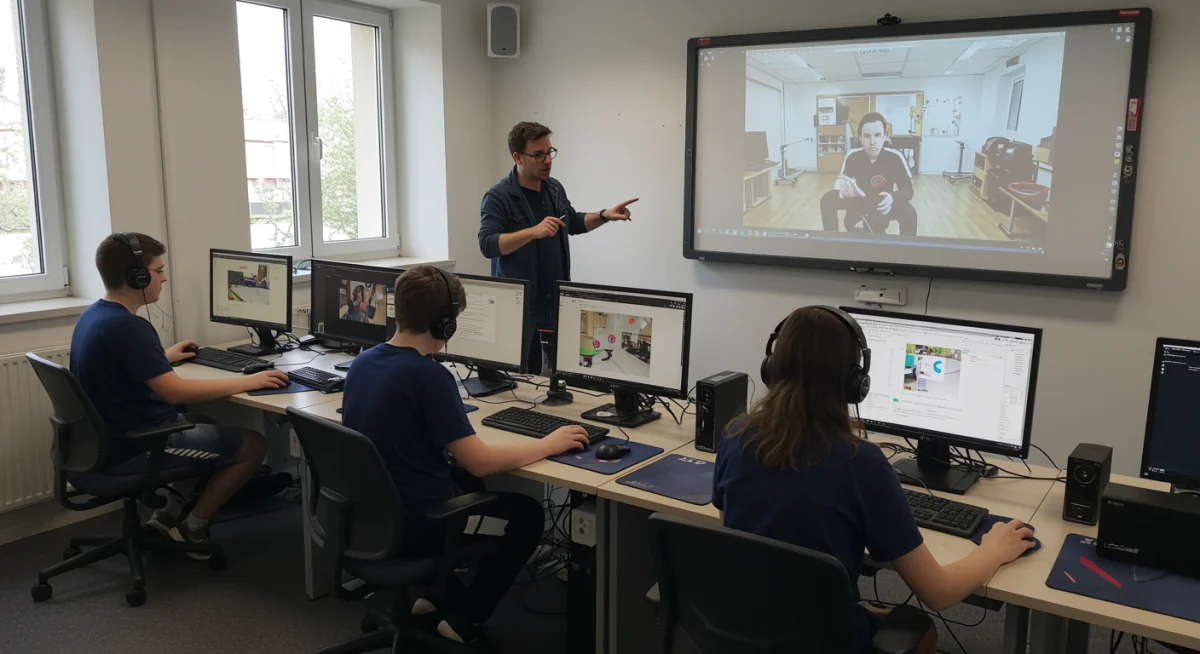
A significant portion of the funding will be directed towards improving digital infrastructure. This means upgrading internet connectivity in schools, especially in rural and low-income areas, and ensuring that schools have the necessary hardware, such as laptops, tablets, and interactive whiteboards, to support advanced digital learning. Without a solid technological foundation, even the best software and curricula cannot be effectively utilized.
Comprehensive Professional Development for Educators
Recognizing that technology is only as effective as the educators wielding it, a substantial part of the budget is allocated to professional development. This will involve:
- Skills Training: Workshops and courses to familiarize teachers with new digital tools and platforms.
- Pedagogical Integration: Training on how to effectively weave technology into existing curricula and classroom management.
- Ongoing Support: Establishing mentorship programs and communities of practice where educators can share best practices and troubleshoot challenges.
Another crucial element is the development and procurement of high-quality digital content. This includes adaptive learning programs, interactive simulations, and comprehensive online resources that complement traditional teaching methods. The emphasis will be on content that is not only engaging but also aligned with educational standards and promotes critical thinking. By focusing on these interconnected components, the Department of Education aims to build a sustainable and future-proof digital learning framework.
Challenges and Opportunities in Implementation
While the $2 billion allocation for digital learning initiatives presents an unparalleled opportunity, its successful implementation will inevitably face a range of challenges. Overcoming these hurdles will be crucial to realizing the full potential of this investment and ensuring it translates into tangible improvements in student outcomes.
One of the primary challenges lies in ensuring equitable distribution and effective utilization of funds across diverse school districts. Differences in local infrastructure, administrative capacity, and community engagement can lead to uneven implementation. It will be essential for the Department of Education to establish clear guidelines and provide robust oversight to prevent disparities and maximize the impact of the funding in all regions.
Addressing Potential Roadblocks
- Digital Divide Persistence: Despite funding, some areas may still struggle with reliable internet access or device provision, requiring creative solutions and continued investment.
- Teacher Resistance to Change: Some educators may be hesitant to adopt new technologies, necessitating compelling professional development and ongoing support.
- Cybersecurity Concerns: Expanding digital infrastructure increases the risk of cyber threats, requiring robust security measures and data privacy protocols.
However, these challenges also present significant opportunities for innovation and collaboration. The initiative can foster stronger partnerships between schools, technology providers, and community organizations. It can also drive the development of new, more resilient digital learning models that are adaptable to future educational needs. By proactively addressing potential pitfalls, the program can set a new standard for technology integration in education.
Future Outlook: Digital Learning Beyond 2025
The launch of the $2 billion digital learning initiatives in Fall 2025 is not merely a one-time investment but a foundational step towards a profoundly transformed educational future. The long-term vision extends far beyond the initial implementation, aiming to embed digital learning as an integral, evolving component of the K-12 experience.
This initiative is expected to stimulate ongoing innovation in educational technology. As schools become more technologically advanced, there will be a greater demand for sophisticated software, personalized learning platforms, and cutting-edge digital tools. This will likely foster a competitive environment among ed-tech developers, leading to even more effective and engaging solutions for students and teachers.

Anticipated Long-Term Benefits
- Enhanced Student Preparedness: Graduates will possess advanced digital literacy and critical thinking skills, making them more competitive in higher education and the workforce.
- Personalized and Adaptive Education: Learning environments will become increasingly tailored to individual student needs, leading to improved engagement and academic outcomes.
- Resilient Educational Systems: Schools will be better equipped to adapt to unforeseen disruptions, such as pandemics, by having robust digital learning infrastructures in place.
The Department of Education’s commitment is a clear signal that digital learning is not a temporary trend but a permanent fixture in the future of education. The success of these initiatives will pave the way for continuous investment and development, ensuring that American students remain at the forefront of global educational advancements.
How Schools Can Prepare for the Digital Transformation
With the $2 billion allocation for digital learning initiatives set to roll out in Fall 2025, schools and districts across the nation have a critical window to prepare for this transformative change. Proactive planning and strategic foresight will be instrumental in maximizing the benefits of this unprecedented funding and ensuring a smooth transition to enhanced digital learning environments.
The first step for many schools should involve a comprehensive assessment of their current technological infrastructure and digital readiness. This includes evaluating existing hardware, internet connectivity, and the digital skills of both faculty and students. Identifying strengths and weaknesses early on will allow districts to target their resource allocation effectively and prioritize areas that require immediate attention.
Strategic Steps for Schools
- Develop a Technology Plan: Create a detailed roadmap outlining how new technologies will be integrated, maintained, and utilized to support educational goals.
- Invest in Professional Development: Prioritize training programs for teachers and administrators to ensure they are comfortable and proficient with new digital tools and pedagogical approaches.
- Foster Community Engagement: Involve parents, students, and local community members in the planning process to build support and ensure the initiatives meet local needs.
- Pilot Programs: Implement small-scale pilot programs with new technologies or digital curricula to test effectiveness and gather feedback before wider deployment.
By taking these preparatory steps, schools can position themselves to fully leverage the coming investment, ensuring that the digital learning initiatives translate into meaningful improvements in teaching and learning. This proactive approach will not only enhance academic outcomes but also build a more resilient and future-ready educational system for all students.
| Key Aspect | Brief Description |
|---|---|
| Funding Amount | $2 Billion allocated by the Department of Education. |
| Start Date | Fall 2025, marking a new phase in educational technology. |
| Key Goals | Enhance equitable access, foster educator preparedness, and develop innovative digital content. |
| Impact | Transform K-12 education through personalized learning and resilient systems. |
Frequently Asked Questions About Digital Learning Initiatives
The primary goal is to significantly enhance digital learning opportunities and resources across K-12 education in the US, focusing on equitable access, educator training, and innovative content development to prepare students for a digital future.
The Department of Education’s digital learning initiatives, backed by the $2 billion fund, are scheduled to commence in Fall 2025. This timeline allows for comprehensive planning and phased implementation across districts.
A significant portion of the funding is dedicated to improving digital infrastructure, including providing reliable internet access and necessary devices to schools in underserved areas, directly aiming to close the existing digital divide.
Yes, substantial funding is allocated for comprehensive professional development programs. These programs will equip educators with the skills and knowledge needed to effectively integrate and leverage digital tools in their teaching practices.
The initiatives are expected to lead to enhanced student preparedness for the digital age, more personalized and adaptive educational experiences, and the creation of resilient educational systems capable of adapting to future challenges.
Conclusion
The Department of Education’s allocation of $2 billion for digital learning initiatives, launching in Fall 2025, marks a transformative moment for K-12 education across the United States. This substantial investment goes beyond mere technology provision, aiming to systematically enhance equitable access, empower educators through comprehensive training, and foster the development of innovative digital content. While challenges in implementation are anticipated, the long-term opportunities for creating a more personalized, engaging, and future-ready educational system are immense. This commitment signifies a clear understanding that digital literacy and technological fluency are paramount for the success of future generations, paving the way for sustained growth and innovation in American schooling.