Climate Action: $1 Billion Federal Grants for Resilience in 2025
New federal grants totaling $1 billion are now available for climate resilience projects in 2025, providing vital funding for communities nationwide to adapt to and mitigate the impacts of climate change.
By: Hugo on January 8, 2026
New federal grants totaling $1 billion are now available for climate resilience projects in 2025, offering critical financial support to communities across the United States to develop and implement strategies for adapting to and mitigating the effects of climate change.
The urgency of addressing climate change has never been more apparent, and in a significant move, the federal government has announced a groundbreaking initiative: new federal grants totaling $1 billion available for climate resilience projects in 2025. This substantial investment signifies a reinforced commitment to safeguarding American communities against the increasing threats posed by a changing climate. From rising sea levels to more frequent extreme weather events, communities nationwide are grappling with profound environmental challenges, making these grants a critical lifeline for proactive adaptation and mitigation efforts.
Understanding the New Federal Climate Resilience Grants
The newly announced federal grants represent a pivotal moment in the nation’s strategy for climate action. These funds are specifically earmarked to empower states, local governments, tribal nations, and non-profit organizations to develop and implement projects that enhance climate resilience. The program aims to move beyond reactive disaster response, fostering a proactive approach to protecting infrastructure, natural resources, and human lives.
This initiative builds upon existing frameworks but introduces a significantly larger pool of capital, reflecting an escalated understanding of the financial and societal costs of climate inaction. The grants are designed to be flexible, allowing applicants to tailor solutions to their unique regional vulnerabilities and priorities. The emphasis is on innovative, sustainable, and equitable projects that deliver long-term benefits.
Key Objectives of the Funding
The federal climate resilience grants are structured around several core objectives, ensuring that investments are strategic and impactful. These objectives guide the types of projects that will receive funding and help delineate the expected outcomes from successful proposals.
Protecting Critical Infrastructure: Funding projects that reinforce roads, bridges, power grids, and water systems against climate impacts.
Restoring Natural Ecosystems: Supporting initiatives like wetland restoration, reforestation, and coastal habitat protection to provide natural buffers.
Enhancing Community Preparedness: Investing in early warning systems, evacuation routes, and community-based resilience planning.
Promoting Equitable Solutions: Prioritizing projects that address the disproportionate impacts of climate change on vulnerable populations.
Ultimately, these grants seek to create a more resilient nation, capable of withstanding the shocks and stresses of a dynamically changing environment. The holistic approach ensures that both physical infrastructure and ecological systems are considered, alongside the human element of community well-being and adaptive capacity.
Eligibility and Application Process for the 2025 Grants
Navigating the application process for federal funding can often be complex, but understanding the eligibility criteria and procedural steps is crucial for potential applicants. The federal government has outlined clear guidelines for the 2025 climate resilience grants to ensure transparency and accessibility for a broad range of entities.
Eligible applicants primarily include state and local governments, federally recognized tribal governments, and certain non-profit organizations with a demonstrated capacity to execute large-scale resilience projects. Private entities may also be eligible if partnering with a government agency or non-profit, emphasizing collaborative approaches to resilience building.
Preparing Your Grant Proposal
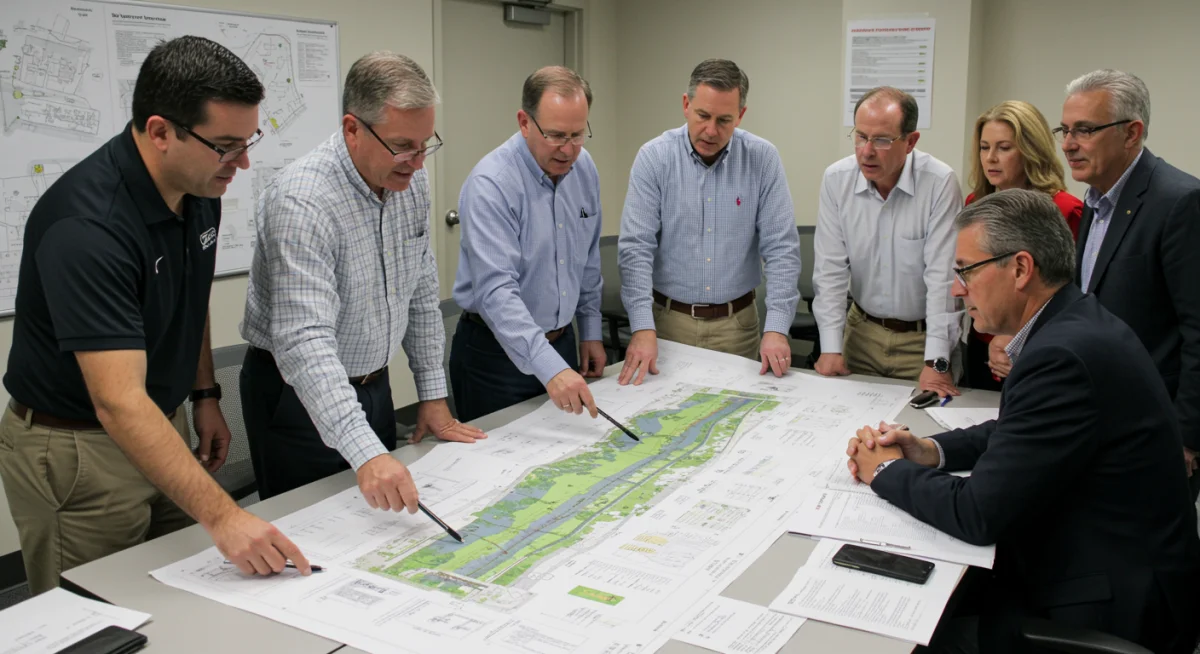
Successful grant applications will require meticulous planning and a compelling narrative that clearly articulates the project’s necessity, methodology, and anticipated outcomes. It is not merely about identifying a problem but proposing a viable, impactful solution that aligns with federal priorities. Applicants should begin by thoroughly reviewing the official program guidelines and criteria, which will be released in detail closer to the application window.
Demonstrate Need: Clearly articulate the specific climate-related vulnerability your project addresses.
Outline Clear Objectives: Define measurable goals and expected outcomes of your resilience efforts.
Showcase Feasibility: Present a realistic plan for execution, including timelines, budgets, and personnel.
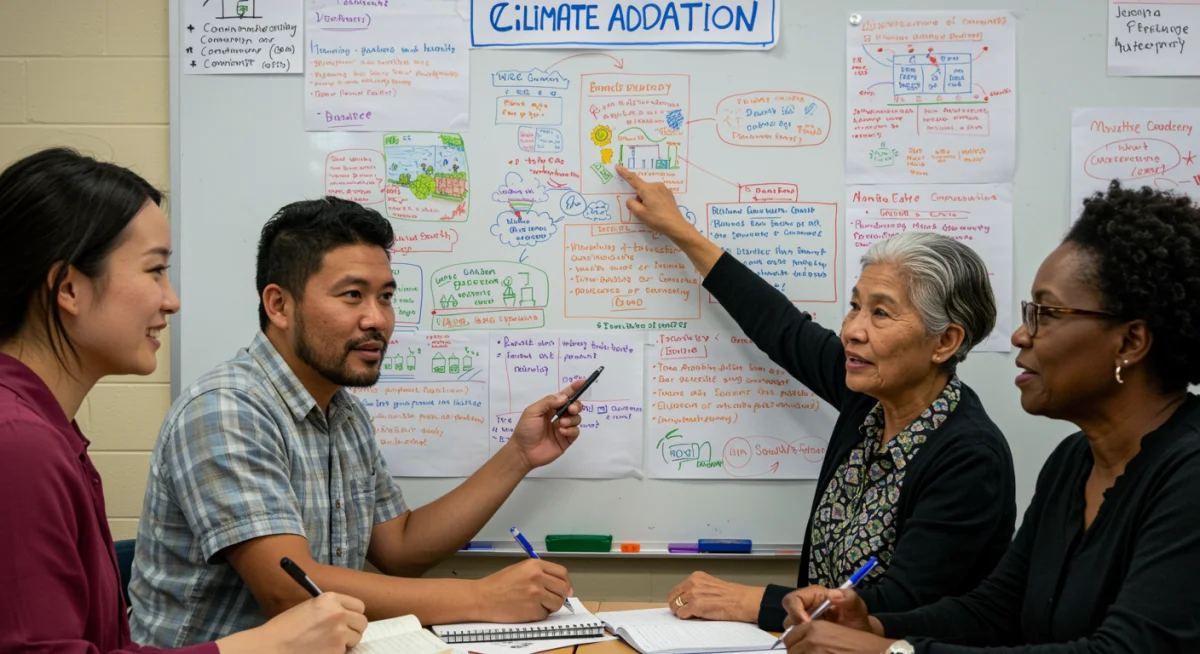
Highlight Community Engagement: Detail how the project involves and benefits local populations, especially underserved communities.
The application window for the 2025 grants is expected to open in late 2024, with various deadlines depending on the specific grant categories. Early preparation, including stakeholder engagement and preliminary project design, will significantly enhance an applicant’s chances of securing funding. The competitive nature of these grants means that only the most well-conceived and thoroughly planned proposals will likely succeed.
Impact on Local Communities and Infrastructure
The infusion of $1 billion in federal funding promises to deliver transformative impacts on local communities and their critical infrastructure across the United States. Climate resilience projects funded by these grants will directly address vulnerabilities that have historically led to significant economic losses, displacement, and social disruption. By investing proactively, communities can reduce their exposure to future climate-related hazards, fostering greater stability and sustainability.
For many areas, this funding will enable projects that were previously unattainable due to financial constraints. It offers an opportunity to upgrade aging infrastructure, implement cutting-edge protective measures, and integrate nature-based solutions that provide co-benefits for local ecosystems and public health. The ripple effects of these investments are expected to extend beyond immediate protection, stimulating local economies through job creation and fostering innovation in climate adaptation technologies.
Case Studies and Potential Project Types
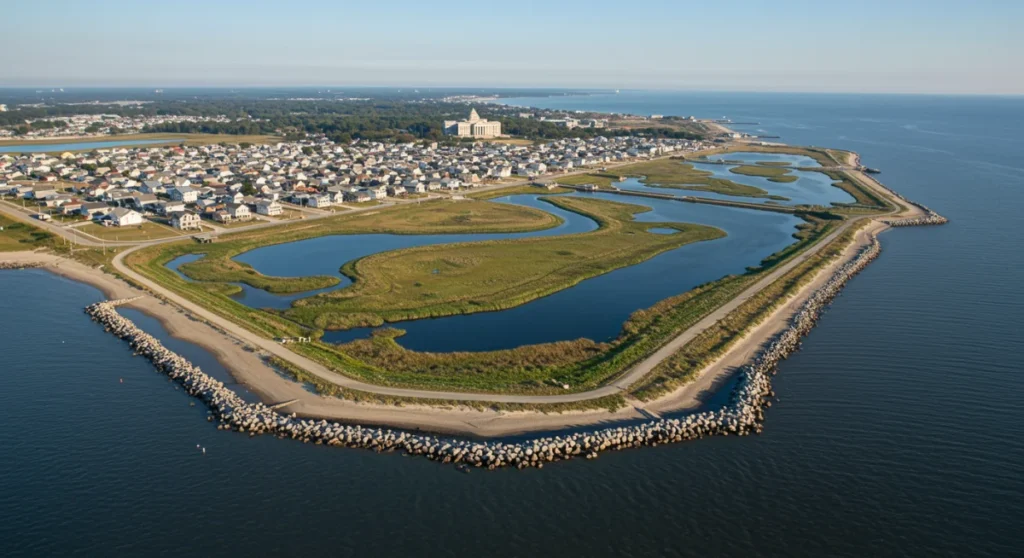
Imagine a coastal town perpetually threatened by storm surges. With these grants, they could fund the construction of an advanced wetland system that acts as a natural buffer, reducing wave energy and protecting homes. Inland communities facing increased flood risks might invest in permeable pavement, green infrastructure, and improved stormwater management systems. These grants also support projects like upgrading electrical grids to be more resilient to extreme weather or developing community-wide early warning systems for wildfires.
The impact is multifaceted: safer homes, reliable services, and a more secure future for residents. The focus on equity means that vulnerable populations, often hit hardest by climate disasters, will receive targeted support to build their resilience. This holistic approach aims to create communities that are not only better protected physically but also socially and economically robust in the face of environmental change.
Federal Government’s Long-Term Vision for Climate Action
The allocation of $1 billion for climate resilience projects in 2025 is not an isolated event but rather a significant component of the federal government’s broader, long-term vision for climate action. This vision encompasses a comprehensive strategy to decarbonize the economy, transition to renewable energy sources, and bolster the nation’s capacity to adapt to the unavoidable impacts of climate change. The grants are a clear signal of the administration’s commitment to integrating climate considerations into all levels of policy and planning.
This long-term vision recognizes that climate challenges require sustained effort and cross-sector collaboration. It involves not only direct funding but also policy reforms, scientific research, and international cooperation. The goal is to establish a resilient national framework that can effectively address both current and future climate threats, ensuring the well-being and prosperity of generations to come. This strategic investment in resilience projects is anticipated to catalyze further private sector investment and innovative solutions.
Strategic Pillars of the Federal Climate Strategy
The federal climate strategy rests on several interconnected pillars, each designed to contribute to a robust and adaptive future. These pillars guide resource allocation and policy development, ensuring a cohesive approach to tackling the multifaceted challenges of climate change.
Emissions Reduction: Aggressive targets for cutting greenhouse gas emissions across all sectors.
Adaptation and Resilience: Investing in infrastructure and natural systems to withstand climate impacts.
Environmental Justice: Prioritizing equitable solutions for communities disproportionately affected by climate change.
Innovation and Technology: Fostering research and development in clean energy and climate adaptation technologies.
By focusing on these pillars, the government aims to create a sustainable pathway forward, mitigating the causes of climate change while simultaneously building the necessary defenses against its effects. The 2025 grants are a tangible manifestation of the adaptation and resilience pillar, demonstrating a serious commitment to protecting American communities.
Leveraging Technology and Innovation in Resilience Projects
The new federal grants for climate resilience projects place a strong emphasis on leveraging cutting-edge technology and innovative approaches. In an era of rapid technological advancement, there are unprecedented opportunities to develop smarter, more efficient, and more effective solutions for climate adaptation. Funding will prioritize projects that integrate advanced data analytics, artificial intelligence, remote sensing, and sustainable engineering practices to achieve superior outcomes.
For example, projects might utilize AI to predict flood patterns with greater accuracy, allowing for more timely evacuations and resource deployment. Drone technology could be employed for rapid damage assessment post-disaster, expediting recovery efforts. Smart infrastructure, capable of self-monitoring and adapting to environmental changes, represents another area of significant interest. The goal is to move beyond traditional methods, embracing solutions that are not only robust but also intelligent and forward-looking.
Emerging Technologies and Their Applications
The landscape of climate resilience is rapidly evolving, with new technologies offering transformative potential. These grants encourage applicants to explore and integrate these innovations into their project proposals, ensuring that the funded initiatives are at the forefront of climate adaptation.
Geospatial Data and GIS: For detailed mapping of vulnerabilities and planning optimal intervention sites.
Advanced Materials: Developing resilient construction materials capable of withstanding extreme weather.
Renewable Energy Microgrids: Ensuring energy independence and reliability during climate-induced outages.
Early Warning Systems: Utilizing sensors and predictive modeling for real-time threat assessment.
By fostering the adoption of these technologies, the federal grants aim to build a more resilient infrastructure that is not only physically strong but also intelligently managed and responsive. This focus on innovation ensures that investments made today will continue to provide benefits well into the future, adapting to new challenges as they emerge.
Challenges and Opportunities in Implementing Resilience Initiatives
While the availability of $1 billion in federal grants for climate resilience projects in 2025 presents a monumental opportunity, it also comes with its share of challenges. Implementing large-scale resilience initiatives requires overcoming significant hurdles, including navigating complex regulatory landscapes, securing community buy-in, and ensuring the long-term sustainability of projects. The sheer scale of climate change impacts means that even substantial funding needs to be deployed strategically and efficiently to make a meaningful difference.
One primary challenge is the coordination across various levels of government and between different agencies. Effective resilience often requires a holistic approach that transcends jurisdictional boundaries. Furthermore, ensuring that projects address the needs of all community members, particularly those most vulnerable, requires dedicated effort and inclusive planning processes. The opportunity, however, lies in transforming these challenges into catalysts for innovation and collaboration, building stronger, more connected communities.
Overcoming Implementation Hurdles
Successful implementation of climate resilience projects hinges on proactive strategies to address potential obstacles. This includes fostering strong partnerships, investing in capacity building, and developing adaptable project designs that can respond to changing circumstances.
Inter-agency Collaboration: Establishing clear lines of communication and shared goals among federal, state, and local entities.
Public Engagement: Actively involving community members in the planning and decision-making processes to build trust and support.
Sustainable Funding Models: Developing strategies to maintain and expand resilience efforts beyond the initial grant period.
Adaptive Management: Designing projects with flexibility to adjust to new scientific information or unforeseen challenges.
The opportunities presented by these grants are immense, offering a chance to fundamentally reshape how communities interact with their environment. By tackling the challenges head-on and embracing collaborative, innovative solutions, the United States can significantly enhance its climate resilience, creating a safer and more sustainable future for all its citizens. This requires not only financial investment but also a sustained commitment to forward-thinking policy and community empowerment.
The Economic Benefits of Proactive Climate Resilience
Investing in climate resilience is not merely an environmental imperative; it is also a sound economic strategy. The new federal grants totaling $1 billion for climate resilience projects in 2025 underscore a growing recognition that proactive measures to adapt to climate change yield substantial economic benefits, far outweighing the costs of inaction. Economists and climate scientists alike have consistently highlighted that every dollar invested in resilience can save multiple dollars in future disaster recovery and damages.
Climate-related disasters, such as hurricanes, floods, and wildfires, inflict billions of dollars in damage annually, disrupt supply chains, and lead to significant economic downturns in affected regions. By fortifying infrastructure, restoring natural protective barriers, and enhancing community preparedness, these grants will help prevent these costly disruptions. This translates into preserved property values, stable local economies, reduced insurance premiums, and fewer demands on federal disaster relief funds. The economic benefits extend to job creation in green industries and increased economic stability for businesses and residents alike.
Measuring Return on Investment (ROI) in Resilience
Quantifying the return on investment (ROI) for climate resilience projects is crucial for demonstrating their long-term value and justifying continued funding. While some benefits, like saved lives, are invaluable, many economic advantages can be measured, providing a clear picture of the fiscal prudence of these investments.
Reduced Disaster Damages: Direct savings from avoided destruction of property and infrastructure.
Lower Insurance Costs: Communities with robust resilience measures often see reduced insurance premiums.
Economic Stability: Fewer business interruptions and sustained economic activity during extreme weather events.
Job Creation: Development and implementation of resilience projects create employment opportunities in various sectors.
The federal government’s investment through these grants is a strategic move to build a more economically secure future for the nation. By mitigating the financial risks associated with climate change, the United States can allocate resources more effectively, foster sustainable growth, and ensure that its economy remains robust in the face of environmental challenges. This proactive approach to climate resilience is a testament to foresight and responsible fiscal management, aiming to protect both lives and livelihoods.
Key Aspect
Brief Description
Grant Total
$1 billion allocated for climate resilience projects in 2025.
Eligible Applicants
States, local governments, tribal nations, and non-profits.
Project Focus
Infrastructure protection, ecosystem restoration, community preparedness.
Frequently Asked Questions about Climate Resilience Grants
What types of projects are eligible for these federal climate resilience grants?▼
Eligible projects include infrastructure upgrades, ecosystem restoration (like wetlands), early warning systems, and community preparedness initiatives. The grants aim to support a wide range of solutions tailored to local climate vulnerabilities, from flood protection to wildfire mitigation.
Who can apply for the $1 billion in federal climate resilience funding in 2025?▼
State and local governments, federally recognized tribal nations, and qualified non-profit organizations are the primary eligible applicants. Partnerships between these entities and private sector organizations are also encouraged to foster comprehensive solutions.
When is the application window expected to open for the 2025 climate resilience grants?▼
The application window for the 2025 grants is anticipated to open in late 2024. Prospective applicants should monitor official government websites for precise dates and detailed guidelines, ensuring ample time for proposal preparation.
How do these grants address environmental justice concerns?▼
A key objective of the grants is to prioritize projects that benefit communities disproportionately affected by climate change. This includes focusing on vulnerable populations and ensuring equitable access to resources and resilience solutions, fostering a fairer distribution of climate benefits.
What are the long-term economic benefits of investing in climate resilience?▼
Long-term economic benefits include reduced costs from disaster damages, lower insurance premiums, increased economic stability for communities, and job creation in green sectors. Proactive investment saves significantly more than reactive recovery efforts, bolstering national economic security.
Conclusion
The announcement of $1 billion in new federal grants for climate resilience projects in 2025 marks a monumental step forward in America’s climate action strategy. This substantial investment reflects a deep understanding of the escalating threats posed by climate change and a proactive commitment to safeguard communities nationwide. By empowering states, local governments, tribal nations, and non-profits, these grants will catalyze a wave of innovative projects aimed at fortifying infrastructure, restoring vital ecosystems, and enhancing community preparedness. The economic benefits of such proactive measures are undeniable, promising to reduce future disaster costs and foster greater stability. As communities prepare to leverage this critical funding, the focus remains on building a more resilient, sustainable, and equitable future for all Americans.