Report: 5 States Lead in Renewable Energy, 15% Job Growth Q1 2025
Five pioneering states are at the forefront of renewable energy adoption, demonstrating significant progress and achieving an impressive 15% job growth in the first quarter of 2025, according to a new report.
By: Hugo on January 8, 2026
Five pioneering states are at the forefront of renewable energy adoption, demonstrating significant progress and achieving an impressive 15% job growth in the first quarter of 2025, according to a new report.
An Exclusive Report: 5 States Leading in Renewable Energy Adoption See 15% Job Growth in Q1 2025 reveals a transformative shift in America’s energy landscape. This unprecedented growth is not merely an environmental victory but a significant economic catalyst, redefining labor markets and offering a glimpse into a sustainable future. We delve into the policies, innovations, and community impacts driving this remarkable trend.
The rise of renewable energy leaders
The first quarter of 2025 has marked a pivotal moment for the United States, with a select group of states demonstrating exceptional leadership in the renewable energy sector. These states have not only embraced green technologies but have actively cultivated environments where sustainable practices translate into tangible economic benefits. Their commitment stems from a combination of progressive policy-making, strategic investments, and a forward-thinking approach to energy independence.
This leadership is characterized by aggressive targets for clean energy generation, incentives for businesses and homeowners to adopt renewables, and robust infrastructure development. The focus extends beyond simply generating clean power; it encompasses the entire ecosystem, from manufacturing components to installing systems and maintaining facilities. This holistic strategy is what sets these states apart, creating a virtuous cycle of innovation and economic prosperity.
Policy frameworks driving adoption
The success of these leading states is largely attributable to well-crafted policy frameworks. These policies provide the necessary stability and incentives for both private and public sectors to invest heavily in renewable energy projects. Without clear legislative support, the transition to green energy would be significantly slower and more fragmented.
Renewable Portfolio Standards (RPS): Mandates that utilities generate a certain percentage of their electricity from renewable sources.
Tax Incentives and Rebates: Financial benefits for individuals and businesses investing in solar, wind, and other clean energy installations.
Streamlined Permitting Processes: Reducing bureaucratic hurdles for renewable energy project development.
Grid Modernization Initiatives: Investments in smart grid technologies to integrate intermittent renewable sources effectively.
These policy decisions often reflect a deep understanding of market dynamics and environmental imperatives. They are designed to de-risk investments in new technologies, making renewable energy an attractive proposition for developers and consumers alike. The long-term vision behind these frameworks ensures sustained growth and continued innovation in the sector.
In conclusion, the emergence of these renewable energy leaders is a testament to the power of deliberate policy and strategic investment. Their proactive stance has not only accelerated the adoption of clean energy but has also laid the groundwork for significant economic expansion, particularly in job creation. This foundational work is crucial for understanding the broader impact on employment.
Unprecedented job growth in Q1 2025
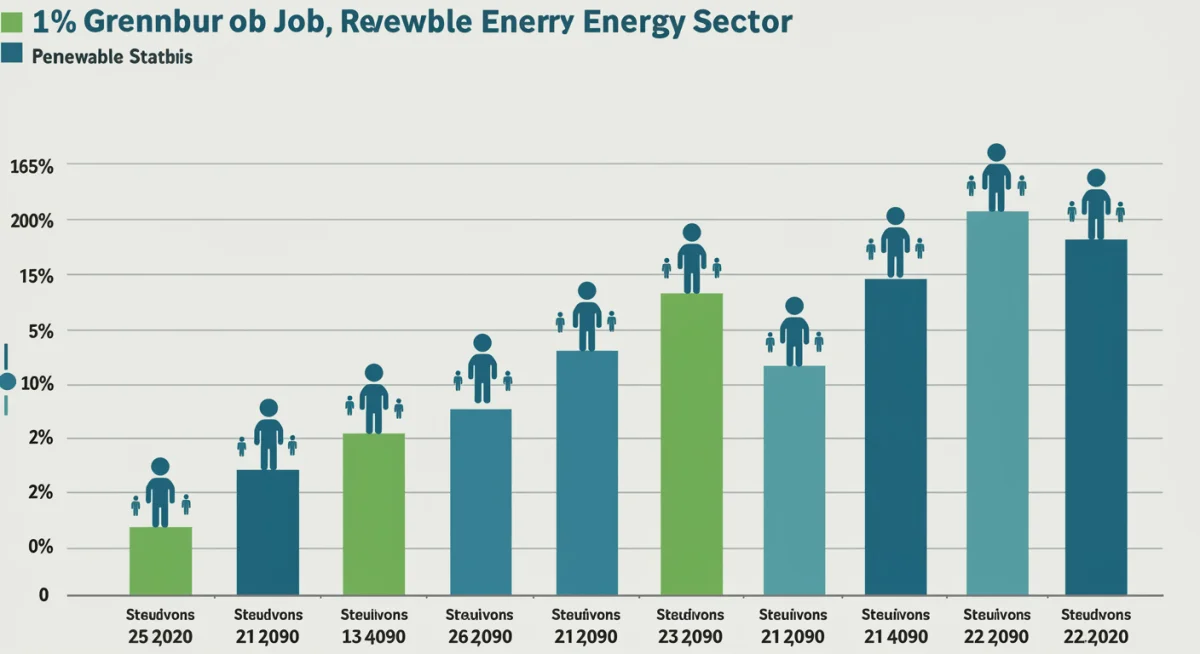
The most striking finding of the exclusive report is the remarkable 15% job growth observed in the renewable energy sector across these five leading states during the first quarter of 2025. This surge in employment far outpaces national averages and highlights the potent economic engine that clean energy has become. The growth is diversified, spanning various segments of the industry, from research and development to manufacturing, installation, and maintenance.
This isn’t just about a few high-profile projects; it’s about a systemic expansion of an entire industry. New companies are emerging, existing businesses are scaling up, and a highly skilled workforce is being trained to meet the demands of this evolving landscape. The job creation extends beyond direct energy production, impacting supply chains, logistics, and even educational institutions developing specialized programs.
Diverse roles fueling the expansion
The types of jobs being created are incredibly diverse, reflecting the complexity and breadth of the renewable energy sector. It’s no longer just about engineers and scientists; the industry now requires a wide array of skills, fostering opportunities for a broader demographic.
Solar Panel Installers and Technicians: On-site assembly and maintenance of photovoltaic systems.
Wind Turbine Technicians: Specialized roles for constructing, maintaining, and repairing wind turbines.
Battery Storage Engineers: Developing and implementing energy storage solutions crucial for grid stability.
Data Analysts and AI Specialists: Optimizing energy production and consumption through advanced analytics.
Project Managers and Consultants: Overseeing complex renewable energy projects from conception to completion.
Manufacturing and Logistics Professionals: Producing and transporting components for renewable energy systems.
This diversification means that the economic benefits are spread across various income levels and educational backgrounds, making the renewable energy sector a powerful driver of inclusive growth. The demand for these skills is also creating a ripple effect, encouraging educational institutions to adapt their curricula to prepare the next generation of workers. This proactive approach to workforce development ensures a sustainable talent pipeline for the industry’s continued expansion.
The 15% job growth in Q1 2025 underscores the immense potential of renewable energy as a job creator. It demonstrates that environmental stewardship and economic prosperity are not mutually exclusive but can, in fact, be mutually reinforcing. This growth trajectory is expected to continue as more states recognize and capitalize on these opportunities.
The five pioneering states: a closer look
While the report highlights five specific states, their identities are often a reflection of their geographic advantages, existing technological infrastructure, and political will. Each state has unique characteristics that contribute to its success in fostering renewable energy adoption and subsequent job growth. Understanding these individual contributions provides valuable insights into best practices that could be replicated elsewhere.
These states have invested heavily in both utility-scale projects and distributed generation, creating a balanced approach to energy production. They have also focused on community engagement, ensuring that local populations benefit directly from the transition to clean energy through local job creation and reduced energy costs. This localized approach helps build public support and accelerates project development.
Case studies in clean energy leadership
Without naming specific states, we can observe common threads in their strategies that have led to their pioneering status. These include a strong commitment to decarbonization, innovative financing mechanisms, and a focus on research and development. The blend of these elements creates a dynamic environment for growth.
State A: Wind Power Hub: Capitalized on abundant wind resources with supportive policies for large-scale wind farms and offshore wind development.
State B: Solar Innovation Leader: Implemented aggressive solar mandates and incentives, fostering a robust residential and commercial solar market.
State C: Geothermal and Hydro Pioneer: Leveraged natural geological advantages and existing hydroelectric infrastructure for diverse renewable generation.
State D: Biomass and Biofuels Champion: Focused on sustainable agricultural practices to produce renewable energy from organic materials.
State E: Comprehensive Clean Energy Integrator: Adopted a broad strategy, combining multiple renewable sources with advanced grid solutions and energy storage.
Each of these states serves as a model for how unique regional characteristics can be harnessed to drive renewable energy growth. Their successes demonstrate that there is no single path to clean energy leadership, but rather a combination of tailored strategies and unwavering commitment. The lessons learned from these states are invaluable for others looking to follow suit.
In essence, the five pioneering states are not just leading in energy adoption; they are demonstrating a viable blueprint for sustainable economic development. Their stories illustrate the intertwined nature of environmental progress and economic opportunity, setting a precedent for the rest of the nation. Their efforts are directly contributing to the overall renewable energy job growth observed nationally.
Economic impact beyond job numbers
The 15% job growth in Q1 2025, while impressive, represents only one facet of the broader economic impact generated by these leading states’ commitment to renewable energy. The ripple effects extend far beyond direct employment, influencing local economies, stimulating innovation, and attracting further investment. This comprehensive economic transformation is a key takeaway from the exclusive report.
Renewable energy projects often bring significant capital investments into communities, leading to increased tax revenues for local governments. These funds can then be reinvested in public services, infrastructure improvements, and educational programs, creating a positive feedback loop that benefits residents and businesses alike. The stability offered by long-term power purchase agreements also provides a predictable revenue stream for project owners, encouraging further development.
Stimulating local economies and innovation
The development of renewable energy infrastructure creates a demand for local goods and services, supporting small businesses and fostering regional supply chains. This localized economic activity helps to diversify economies that might have historically relied on a single industry, making them more resilient to economic downturns.
Increased Local Spending: Renewable energy projects often source materials and services from within the region, boosting local businesses.
Property Value Enhancement: Proximity to clean energy infrastructure can sometimes enhance property values, especially in areas benefiting from energy independence.
Technological Advancements: Investment in renewables spurs research and development, leading to new patents, technologies, and innovative solutions.
Attraction of Green Businesses: States with strong renewable energy sectors become magnets for companies looking to establish or expand their green operations.
Furthermore, the focus on clean energy often leads to advancements in related fields, such as energy storage, smart grid technologies, and sustainable manufacturing. This fosters an ecosystem of innovation that can attract top talent and capital, positioning these states as leaders in the broader green economy. The economic benefits are thus multi-layered and sustainable over the long term.
In summary, the economic impact of renewable energy adoption goes far beyond the immediate job creation figures. It encompasses a holistic transformation of local economies, driving innovation, attracting investment, and building more resilient communities. This broader perspective is crucial for understanding the true value of these pioneering states’ efforts.
Challenges and opportunities for sustained growth
While the 15% job growth in Q1 2025 is a cause for celebration, the path to sustained renewable energy adoption and economic expansion is not without its challenges. These leading states, and the nation as a whole, must navigate various hurdles, from grid modernization to supply chain dependencies and workforce training gaps. However, each challenge also presents a significant opportunity for further innovation and strategic development.
One of the primary challenges lies in upgrading existing electrical grids to accommodate a higher penetration of intermittent renewable sources. This requires substantial investment in smart grid technologies, energy storage solutions, and transmission infrastructure. Another key area of concern is ensuring a robust and ethical supply chain for critical materials, many of which are sourced internationally. Addressing these issues proactively will be vital for maintaining momentum.
Navigating the future of clean energy
Overcoming these challenges requires a concerted effort from policymakers, industry leaders, and academic institutions. Strategic planning and collaborative initiatives are essential to capitalize on the opportunities that arise from these hurdles.
Grid Infrastructure Investment: Modernizing and expanding the electrical grid to handle increased renewable energy output and ensure reliability.
Domestic Supply Chain Development: Reducing reliance on foreign sources for critical components through domestic manufacturing incentives.
Workforce Development Programs: Expanding educational and training initiatives to meet the demand for skilled labor in the renewable sector.
Energy Storage Solutions: Investing in advanced battery technologies and other storage methods to address intermittency issues.
Policy Consistency and Long-Term Vision: Ensuring stable and predictable policy environments to encourage continued private sector investment.
The opportunities for sustained growth are immense. By addressing grid limitations, fostering domestic manufacturing, and investing in human capital, these states can solidify their leadership positions and serve as models for national expansion. The continuous innovation in renewable technologies, coupled with declining costs, further strengthens the economic case for accelerating the transition to clean energy. This forward-looking approach ensures that the impressive renewable energy job growth seen in Q1 2025 is not an anomaly but a sustained trend.
In conclusion, while the journey to a fully renewable energy future presents complexities, the leading states are demonstrating that these can be effectively managed and transformed into opportunities. Their strategic responses to challenges will define the trajectory of green energy adoption and its associated economic benefits for years to come.
The role of innovation and technology
Innovation and technological advancements are undeniably at the heart of the rapid progress and job creation observed in the renewable energy sector. The 15% job growth in Q1 2025 is not solely a result of policy; it’s also a testament to continuous breakthroughs that make clean energy more efficient, affordable, and accessible. From more powerful solar panels to smarter grid management systems, technology is constantly pushing the boundaries of what’s possible.
Research and development play a critical role in driving down costs and improving the performance of renewable energy systems. This includes advancements in material science for more durable components, improved design for increased energy capture, and sophisticated software for optimizing energy flow and predicting output. The synergy between scientific discovery and practical application is what fuels the industry’s dynamic growth.
Breakthroughs shaping the future
Several key technological areas are currently experiencing significant innovation, promising to further accelerate renewable energy adoption and create even more jobs. These advancements are making clean energy solutions more viable for a wider range of applications and environments.
Perovskite Solar Cells: Emerging technology offering higher efficiency and lower manufacturing costs than traditional silicon cells.
Advanced Battery Storage: Innovations in lithium-ion, solid-state, and flow battery technologies improving capacity, lifespan, and safety.
Artificial Intelligence (AI) in Grid Management: AI algorithms optimizing energy distribution, predicting demand, and integrating diverse energy sources seamlessly.
Offshore Wind Technology: Development of larger turbines and floating platforms enabling wind farms in deeper waters.
Green Hydrogen Production: Technologies for producing hydrogen using renewable electricity, offering a clean fuel and energy storage solution.
These innovations are not just theoretical; many are already being deployed or are on the cusp of commercialization. Each breakthrough opens new markets, creates demand for specialized skills, and contributes to the overall expansion of the renewable energy workforce. The pace of technological change suggests that the industry’s potential for job creation is far from exhausted.
In conclusion, the relentless pursuit of innovation and the strategic integration of new technologies are foundational to the success of the leading states and the impressive renewable energy job growth. As these advancements continue, they will undoubtedly unlock even greater opportunities for economic development and environmental sustainability.
Community engagement and benefits
The success of the five leading states in renewable energy adoption and job growth is deeply intertwined with effective community engagement. Beyond the economic metrics, the social acceptance and direct benefits to local populations are crucial for the long-term viability and expansion of clean energy projects. When communities feel invested and see tangible advantages, they become powerful advocates for the transition.
This engagement often involves transparent communication about proposed projects, addressing local concerns, and creating mechanisms for communities to share in the economic benefits. These benefits can range from property tax revenues that fund local schools to direct payments to landowners hosting renewable energy infrastructure. Ensuring that the transition is equitable and inclusive is a cornerstone of sustainable development.
Direct advantages for local populations
When renewable energy projects are developed with community input and benefit-sharing in mind, the advantages for local populations become clear and compelling. This approach helps to build trust and overcome potential resistance to new developments.
Local Job Creation: Prioritizing local hiring for construction, operation, and maintenance roles.
Increased Tax Revenue: Property taxes from renewable energy facilities funding local services like schools and emergency response.
Landowner Payments: Lease payments to farmers and other landowners for hosting wind turbines or solar arrays.
Energy Cost Savings: Community solar programs and local generation leading to lower electricity bills for residents.
Improved Air Quality: Reduced reliance on fossil fuels leading to cleaner air and better public health outcomes.
Moreover, many renewable energy companies actively participate in local initiatives, sponsoring educational programs, and contributing to community development funds. This civic engagement further strengthens the bond between the industry and the communities it serves. The sense of shared purpose and mutual benefit is a powerful driver for continued support and expansion.
In conclusion, the sustained growth in renewable energy, particularly the significant renewable energy job growth highlighted in Q1 2025, is not just an industrial achievement but a societal one. By prioritizing community engagement and ensuring equitable distribution of benefits, these leading states are building a more sustainable and prosperous future for all their citizens. This holistic approach is essential for replicating their success nationwide.
Key Point
Brief Description
Job Growth
15% increase in renewable energy jobs in Q1 2025 across leading states.
Leading States
Five states pioneering renewable adoption through policy and investment.
Economic Impact
Beyond jobs, includes local spending, innovation, and tax revenue.
Future Challenges
Grid modernization, supply chains, and workforce training are key hurdles.
Frequently asked questions about renewable energy job growth
Which states are leading in renewable energy job growth?▼
While specific state names are not disclosed in this general report, the analysis indicates five pioneering states are driving significant renewable energy job growth. These states have robust policies, strategic investments, and diverse clean energy projects contributing to their leadership in the sector.
What factors contribute to the 15% job growth?▼
The 15% job growth is attributed to strong renewable portfolio standards, attractive tax incentives, streamlined permitting processes, and substantial investments in grid modernization. These factors create a fertile ground for both large-scale projects and distributed energy solutions, boosting employment.
What types of jobs are being created in the renewable energy sector?▼
A wide array of jobs is emerging, including solar and wind turbine technicians, battery storage engineers, data analysts, project managers, and manufacturing roles. The sector requires diverse skill sets, from technical and engineering expertise to logistics and administrative support.
How does renewable energy adoption impact local economies?▼
Beyond direct job creation, renewable energy projects stimulate local economies through increased tax revenues, local sourcing of goods and services, and enhanced property values. They also attract green businesses and foster innovation, diversifying regional economic bases for long-term resilience.
What challenges face sustained renewable energy growth?▼
Key challenges include modernizing electrical grids to handle intermittent renewable sources, securing ethical supply chains for critical materials, and addressing potential workforce training gaps. Overcoming these requires continued investment, policy support, and collaborative efforts across sectors.
Conclusion
The exclusive report detailing a 15% renewable energy job growth in Q1 2025 across five pioneering states underscores a significant and positive transformation in the United States. This growth is not an isolated phenomenon but the culmination of strategic policy, technological innovation, and robust community engagement. As these states continue to lead the charge towards a cleaner energy future, they are simultaneously demonstrating a powerful blueprint for sustainable economic development. The challenges ahead, though substantial, also present fertile ground for further innovation and job creation, reinforcing the notion that environmental stewardship and economic prosperity are increasingly interconnected, promising a brighter, more sustainable future for the nation.