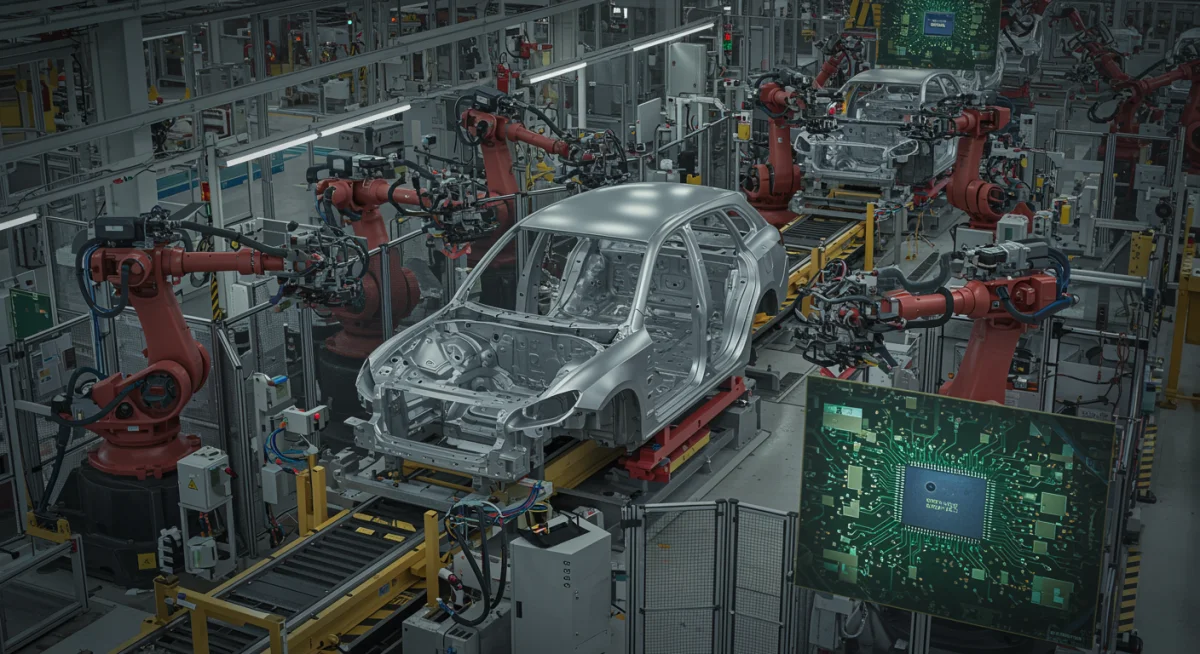
Semiconductor Shortages to Persist Until Mid-2025: Market Watch
The global semiconductor shortage is projected to continue well into mid-2025, creating significant challenges for key industries like automotive, consumer electronics, industrial manufacturing, and medical devices, necessitating strategic adjustments and innovative solutions.
By: Hugo on January 8, 2026
The global semiconductor shortage is projected to continue well into mid-2025, creating significant challenges for key industries like automotive, consumer electronics, industrial manufacturing, and medical devices, necessitating strategic adjustments and innovative solutions.
Have you been struggling to find a new car, a cutting-edge gaming console, or even certain medical devices? The reason might very well be the ongoing global semiconductor shortages 2025, a complex issue reverberating across numerous sectors.
The Genesis of the Semiconductor Shortage: A Deep Dive
The current semiconductor shortage is not a singular event but rather the culmination of several interconnected factors, exacerbated by unprecedented global events. Understanding its origins is crucial to grasping its persistence and future implications.
Initially, the COVID-19 pandemic played a significant role. Lockdowns and remote work policies led to a surge in demand for consumer electronics, from laptops and webcams to networking equipment, as people adapted to new lifestyles. This sudden spike caught many manufacturers off guard, as they had scaled back production in anticipation of an economic downturn.
Supply Chain Fragility and Geopolitical Tensions
The semiconductor supply chain is notoriously complex and globalized. A single chip can travel across multiple continents for design, fabrication, assembly, and testing. Any disruption at any point can have cascading effects.
Geopolitical Shifts: Trade tensions and national security concerns have led to countries and regions seeking greater self-sufficiency in chip production, sometimes creating inefficiencies or export restrictions.
Natural Disasters: Factories in regions prone to natural disasters, such as droughts impacting water-intensive chip manufacturing in Taiwan or power outages in Texas, have also contributed to production halts.
Aging Infrastructure: Some older fabrication plants, particularly those producing legacy chips still vital for many industries, have struggled with maintenance and upgrades, leading to capacity constraints.
Furthermore, the ‘just-in-time’ inventory management strategies, popular for their efficiency, proved to be a vulnerability when demand outstripped supply. Companies had minimal buffer stock, leaving them highly susceptible to any production delays.
The shortage is a multifaceted problem, rooted in a confluence of demand spikes, supply chain vulnerabilities, and unforeseen disruptions. Its persistence into mid-2025 underscores the deep-seated nature of these issues and the time required for the industry to rebalance.
Automotive Industry: Driving Through a Chip Desert
The automotive sector has arguably been one of the hardest hit by the semiconductor crisis, experiencing significant production cuts and financial losses. Modern vehicles are essentially computers on wheels, relying heavily on a myriad of chips for everything from engine management to infotainment systems and advanced driver-assistance features.
When the pandemic first hit, car manufacturers drastically cut orders for chips, anticipating a sharp decline in vehicle sales. However, demand rebounded much quicker than expected, leaving automakers at the back of the line when trying to secure chip supplies, as semiconductor foundries had already pivoted to fulfilling orders from the booming consumer electronics sector.
Impact on Production and Innovation
The scarcity of chips has led to unprecedented factory shutdowns and reduced production targets globally. This has resulted in fewer new cars available for purchase, longer waiting times for consumers, and inflated prices for both new and used vehicles.
Production Delays: Many car models have seen significant delays, with some features even being removed or downgraded due to chip unavailability.
Supply Chain Re-evaluation: Automakers are rethinking their supply chain strategies, exploring direct relationships with chip manufacturers and investing in more diversified sourcing.
Innovation Slowdown: The shortage also threatens to slow down the adoption of new automotive technologies, particularly in areas like electric vehicles (EVs) and autonomous driving, which are heavily dependent on advanced semiconductors.
The automotive industry’s struggle highlights its deep integration with semiconductor technology. The prolonged shortage is forcing a fundamental re-evaluation of how vehicles are designed, produced, and supplied, with a clear focus on building more resilient supply chains to prevent future disruptions.
Consumer Electronics: The Unseen Costs of Connectivity
From the latest smartphones and gaming consoles to smart home devices and high-end computing equipment, consumer electronics are at the forefront of the semiconductor shortage’s impact. Consumers have directly felt the pinch through higher prices, limited availability, and delayed product launches.
The initial surge in demand during the pandemic for work-from-home and entertainment devices created a perfect storm. Manufacturers struggled to keep up, and as the shortage persisted, it became clear that even basic components like power management chips and microcontrollers were in short supply, affecting a vast array of products.
Pricing, Availability, and Innovation Challenges
The inability to procure sufficient chips has led to a ripple effect throughout the consumer electronics market. Companies have had to prioritize production of their most profitable items, sometimes discontinuing less popular models or postponing upgrades.
Price Hikes: The basic economic principle of supply and demand has driven up prices for many electronic goods, making them less accessible for some consumers.
Product Scarcity: Popular items like the newest gaming consoles or graphic cards have remained notoriously difficult to find, often selling out instantly or being resold at exorbitant prices.
Design Compromises: Some manufacturers have been forced to redesign products to use alternative, more available chips, or simplify features, potentially impacting performance or user experience.
The consumer electronics industry, typically characterized by rapid innovation and frequent product cycles, is now facing a period of constrained growth. The prolonged nature of the semiconductor shortage means that these challenges will continue to shape consumer choices and market dynamics well into 2025, pushing companies to rethink their strategies for product development and supply chain resilience.
Industrial Automation: The Backbone of Modern Manufacturing
The industrial automation sector, often operating behind the scenes, is another critical area significantly affected by the ongoing semiconductor shortage. This sector underpins modern manufacturing, logistics, and infrastructure, relying heavily on chips for everything from programmable logic controllers (PLCs) and robotics to industrial sensors and control systems.
While less visible to the average consumer, the impact here is profound. Delays in acquiring essential industrial components can halt production lines, delay infrastructure projects, and impede the digital transformation efforts of countless businesses. This can lead to broader economic repercussions, affecting productivity and global trade.
Operational Disruptions and Future Investments
Many industrial equipment manufacturers are experiencing extended lead times for components, forcing them to delay deliveries to their clients. This creates a domino effect, as businesses waiting for new machinery or upgrades cannot expand or modernize their operations as planned.
Manufacturing Delays: Factories across various industries, from food processing to automotive parts, face slowdowns or temporary shutdowns due to a lack of automated equipment or replacement parts.
Increased Costs: The scramble for available chips and components drives up costs, which are often passed on to end-users, contributing to inflationary pressures.
Strategic Re-evaluation: Companies are now prioritizing investments in automation solutions that offer greater resilience and adaptability, including those with diversified chip sourcing or modular designs.
The industrial automation sector’s reliance on a steady supply of semiconductors is critical for global economic stability and growth. The persistent shortage is not only disrupting current operations but also compelling a strategic shift towards more robust and secure supply chains for the future of industrial development.
Medical Devices: Health at the Mercy of Chips
In perhaps the most critical application, the medical device industry is also grappling with the severe implications of the semiconductor shortage. Modern medical equipment, from life-saving ventilators and MRI machines to diagnostic tools and patient monitoring systems, is heavily dependent on advanced microchips for its functionality and precision.
The inability to procure specific chips can lead to delays in manufacturing essential medical devices, impacting healthcare providers’ ability to deliver timely care and potentially jeopardizing patient outcomes. This sector faces unique challenges due to stringent regulatory requirements and the critical nature of its products.
Supply Chain Vulnerabilities and Patient Care
Hospitals and clinics around the world rely on a continuous supply of medical devices for routine operations, emergency care, and specialized treatments. When these devices are delayed or unavailable due to chip shortages, the consequences can be dire.
Equipment Shortages: Hospitals may face delays in upgrading or replacing critical equipment, potentially impacting diagnostic capabilities and treatment options.
Maintenance Challenges: Repairing existing devices can become problematic if spare parts, especially those containing specific chips, are difficult to obtain.
Innovation Bottlenecks: The development and rollout of new, life-saving medical technologies can be slowed, hindering advancements in patient care.
The medical device industry’s vulnerability to semiconductor supply chain disruptions underscores the urgent need for strategic planning and collaboration between chip manufacturers, device makers, and regulatory bodies. Ensuring a stable supply of chips for medical applications is not just an economic concern but a public health imperative, prompting calls for prioritized allocation and secure sourcing.
Strategies for Navigating the Persistent Shortage
As the semiconductor shortage extends into mid-2025, industries are implementing various strategies to mitigate its impact and build greater resilience. These approaches range from short-term tactical adjustments to long-term strategic overhauls, aiming to secure supply and reduce future vulnerabilities.
One immediate strategy involves closer collaboration between chip consumers and manufacturers. Companies are moving away from traditional transactional relationships towards more integrated partnerships, providing long-term demand forecasts and even making direct investments in foundry capacity to secure future supply.
Diversification, Regionalization, and Innovation
Beyond immediate measures, several structural changes are underway to address the root causes of the shortage and prepare for future disruptions.
Supply Chain Diversification: Reducing reliance on a single region or supplier by sourcing chips from multiple geographies and manufacturers is a key strategy. This spreads risk and increases flexibility.
Regionalization of Production: Governments worldwide are incentivizing the establishment of new fabrication plants (fabs) within their borders, aiming to create more localized and secure supply chains. Examples include the CHIPS Act in the U.S. and similar initiatives in Europe and Asia.
Inventory Buffers: Companies are re-evaluating ‘just-in-time’ inventory models, opting for larger buffer stocks of critical components to withstand unforeseen disruptions.
Furthermore, innovation in chip design and manufacturing processes is accelerating. This includes developing more efficient chips, exploring alternative materials, and advancing packaging technologies. The industry is also investing in greater automation and AI to optimize production and predictive maintenance within fabs, aiming to maximize output and minimize downtime.
Navigating the persistent semiconductor shortage requires a multi-pronged approach, combining strategic partnerships, geographical diversification, and continuous innovation. These efforts are not just about overcoming the current crisis but about fundamentally transforming the resilience and security of the global semiconductor ecosystem for decades to come.
The Long-Term Outlook: Beyond 2025
While the immediate focus is on navigating the semiconductor shortage through mid-2025, the industry is already looking ahead to the long-term implications and the shape of the global chip landscape beyond this period. The current crisis has served as a powerful catalyst for significant investment and strategic repositioning.
The massive investments in new fabrication plants, while taking years to come online, are expected to substantially increase global production capacity. This influx of new capacity, coupled with advancements in manufacturing technology, should alleviate some of the chronic supply tightness experienced over the past few years.
Key Trends Shaping the Future Chip Market
Several underlying trends will continue to influence the semiconductor market, even after the acute shortage subsides. These include the relentless demand for digitalization, the rise of specialized chips, and the increasing importance of sustainability.
Continued Digitalization: The exponential growth of data, AI, IoT, and 5G will ensure a perpetually high demand for advanced semiconductors across all sectors.
Specialized Chips: There’s a growing shift towards application-specific integrated circuits (ASICs) and custom chips optimized for particular tasks, moving away from a one-size-fits-all approach.
Sustainability in Production: The energy and resource-intensive nature of chip manufacturing is driving innovation towards more sustainable processes and materials, becoming a key competitive differentiator.
Moreover, geopolitical considerations will remain a significant factor, with nations continuing to prioritize domestic chip production capabilities for economic and national security reasons. This could lead to a more regionalized, albeit potentially less efficient, global supply chain. The long-term outlook suggests a more diversified and resilient semiconductor industry, shaped by lessons learned from the current crisis and driven by relentless technological advancement and strategic geopolitical imperatives.
Key Point
Brief Description
Persistent Shortage
Semiconductor supply issues are expected to continue globally until at least mid-2025.
Key Industries Impacted
Automotive, Consumer Electronics, Industrial Automation, and Medical Devices are severely affected.
Root Causes
Pandemic-driven demand spikes, fragile supply chains, and geopolitical factors are major contributors.
Mitigation Strategies
Diversification, regionalization, and increased collaboration are crucial for resilience.
Frequently Asked Questions About Semiconductor Shortages
Why are semiconductor shortages expected to persist until mid-2025?▼
The persistence stems from a combination of high demand, particularly from new technologies, and the time-consuming process of building new fabrication plants. Geopolitical factors and supply chain complexities also contribute to the prolonged nature of the shortage.
Which four key industries are most affected by the chip shortage?▼
The automotive industry, consumer electronics, industrial automation, and medical devices are experiencing the most significant impacts. These sectors rely heavily on a wide array of chips for their products and operations, leading to production delays and increased costs.
How does the semiconductor shortage impact consumer product availability and pricing?▼
Consumers face limited availability and higher prices for items like new cars, smartphones, gaming consoles, and home appliances. Manufacturers often prioritize high-margin products, leading to scarcity and increased costs for less critical items.
What measures are industries taking to address the ongoing chip shortage?▼
Industries are implementing strategies such as diversifying their supply chains, investing in regional chip production, increasing inventory buffers, and fostering closer collaborations with semiconductor manufacturers to secure future supplies and build resilience.
Will the global chip supply stabilize after mid-2025?▼
While significant investments in new fabrication capacity are underway, a complete stabilization will likely be a gradual process. Beyond 2025, the market is expected to be more diversified and resilient, though demand for chips will continue its upward trend with technological advancements.
Conclusion
The global semiconductor shortages 2025 represent a defining challenge for numerous industries, underscoring the critical role these tiny components play in our interconnected world. From the cars we drive to the medical devices that save lives, the ripple effects of constrained chip supply are profound and far-reaching. While the path to recovery extends well into mid-2025, the crisis has also spurred unprecedented innovation, strategic investments, and a fundamental re-evaluation of global supply chain resilience. The lessons learned are shaping a more robust, diversified, and sustainable semiconductor ecosystem, preparing industries not just to overcome current hurdles but to thrive in an increasingly digital future.